Turks & Caicos encompasses 30 different islands, but divers lavish their attention on Grand Turk, Providenciales, and Salt Cay; these islands have the best diving conditions and most interesting dive sites. A liveaboard is the most convenient way to dive the archipelago, but — with the right planning — you could also hop from one land-based resort to the next.
Best Time to Travel: Year-Round. Diving: Shore and Boat. Underwater Life: Reef Sharks and nurse sharks, rays, sea turtles, corals, spinal lobsters, snapper, garden eels, angelfish; Jan-March migrating manta rays, eagle rays, dolphins, and humpback whales. Level: All. Sea Temps: 82°F – 84°F. Air Temps: 85°F – 90°F. Accommodations: Land Based Resorts and Liveaboards. Other Adventures: Kite Boarding, Parasailing, Windsurfing, Water Sports, Sport Fishing, Golfing, Horseback Riding, Museums, Caves, Iguanas, Tours, Excursions, Shopping.
Scuba Diving in Turks & Caicos
Grand Turk boasts the highest density of marine life, while Providenciales and Salt Cay offer more fantastic reef formations. But you don’t have to choose one over the rest. The islands aren’t too far apart from one another, so you can dive all 3 islands on the same dive trip.
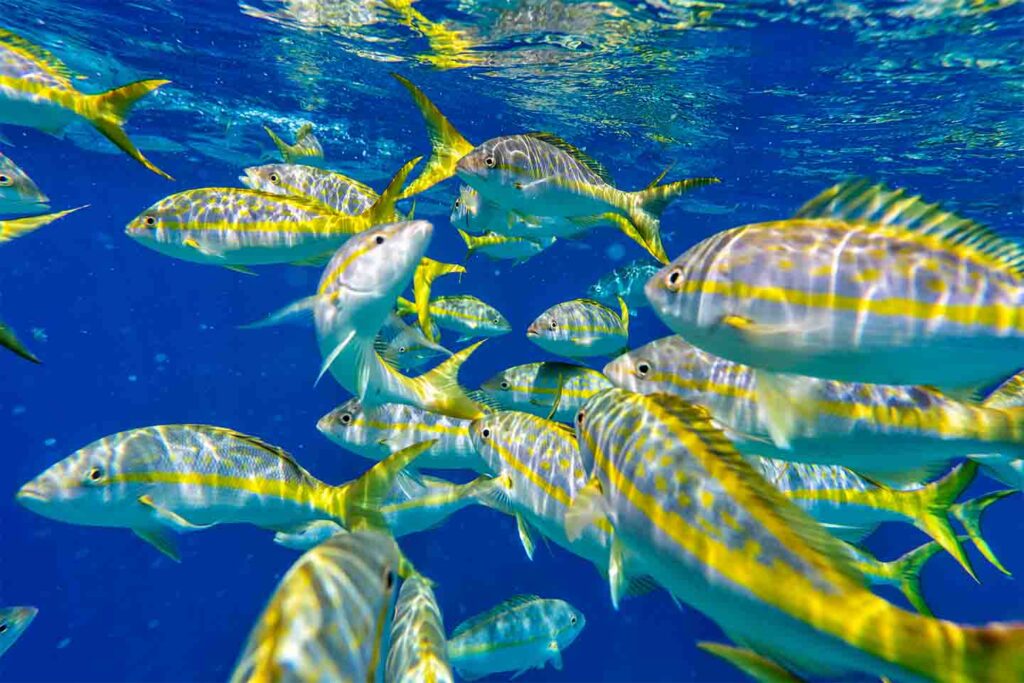
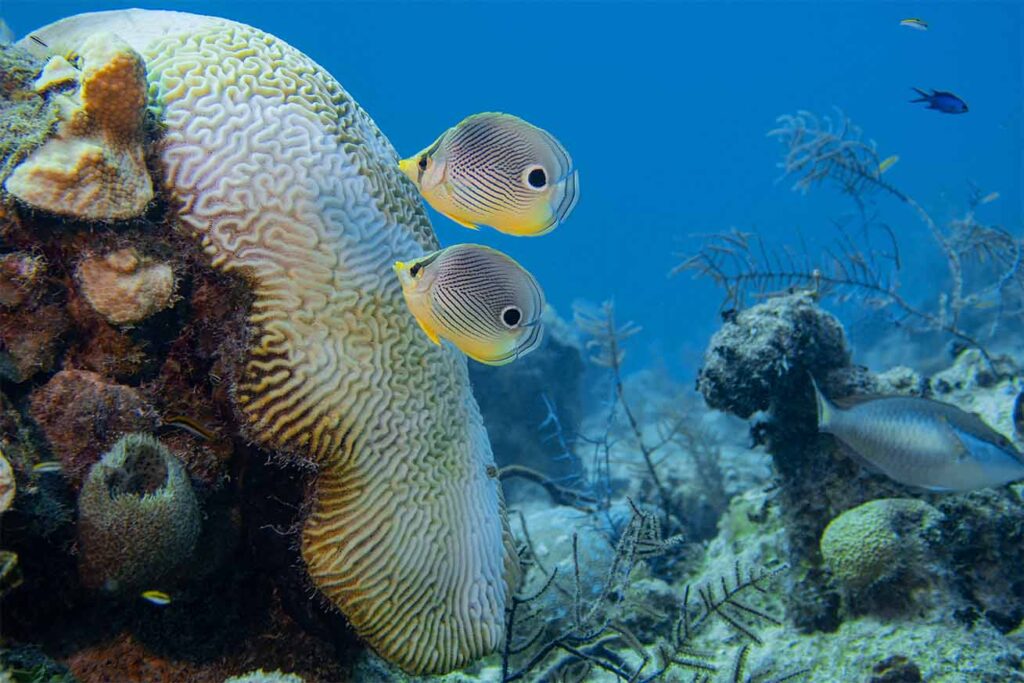
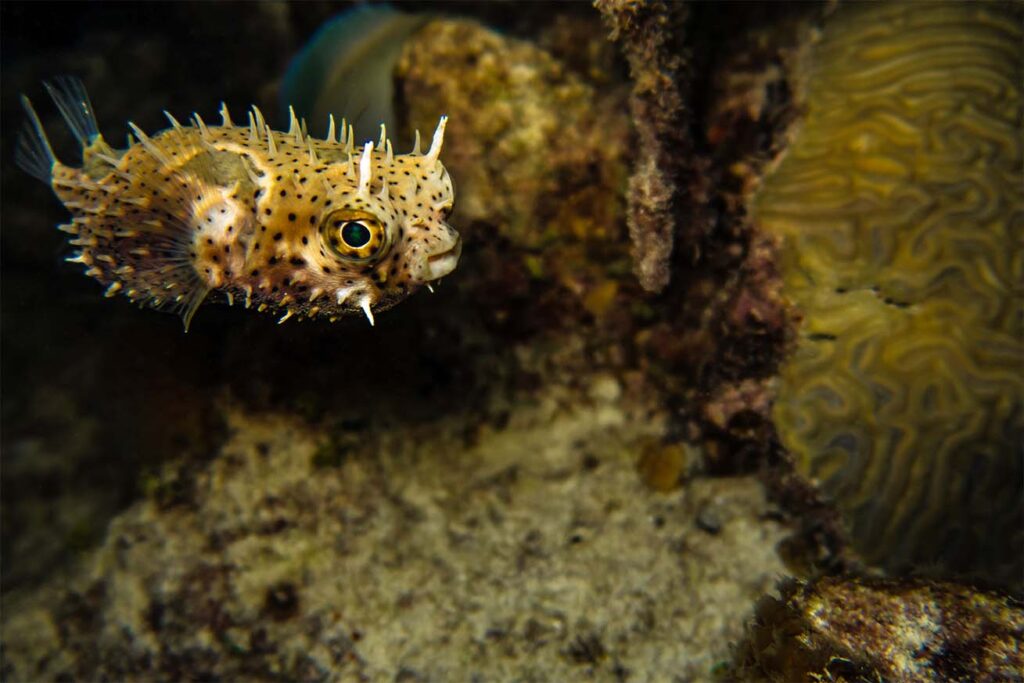
The reefs let you immerse yourself in schools of tropical fish or search for small critters hiding in the coral. Humpback whales and a variety of sharks travel along the channel that passes between the 2 island groups.
You will enjoy Turks & Caicos…
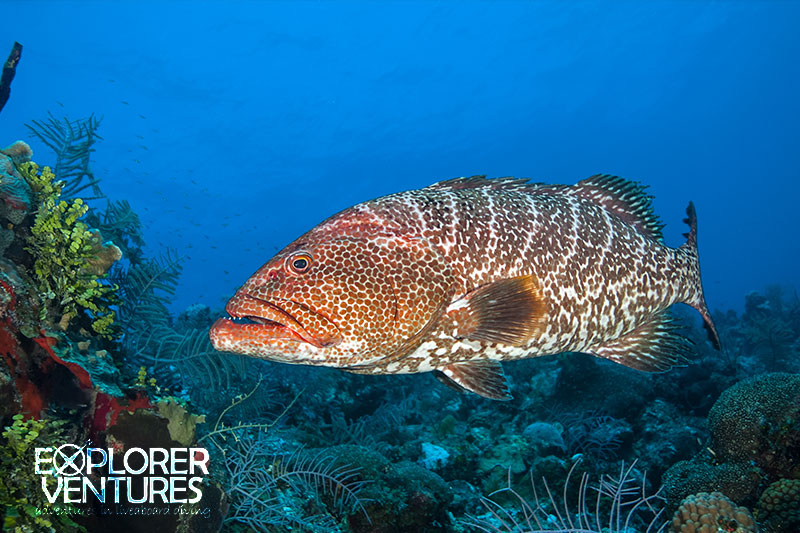
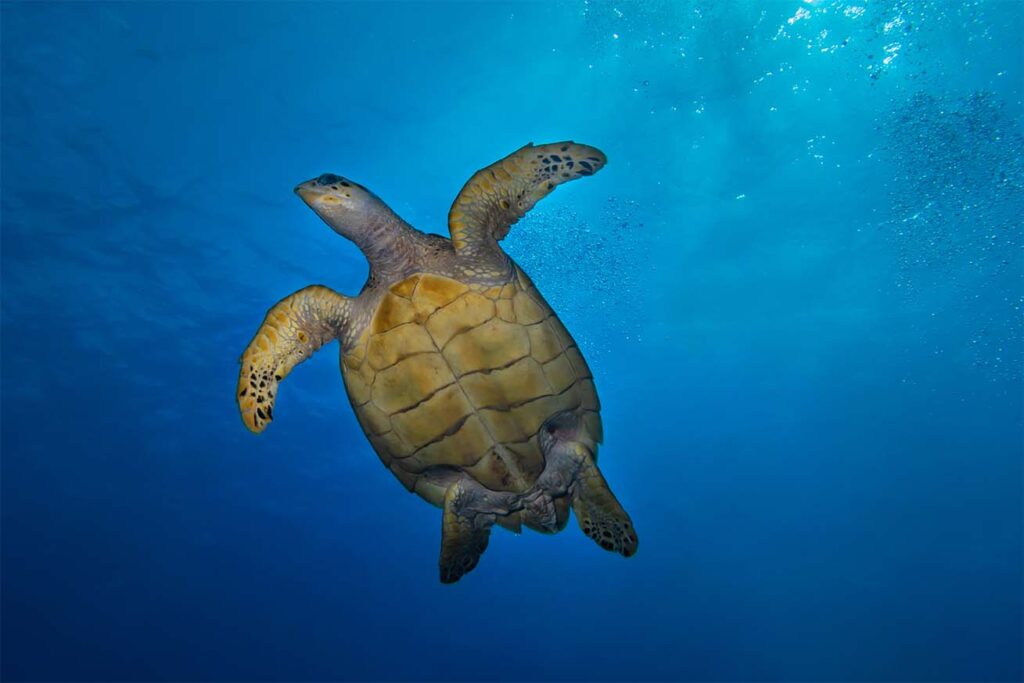
If You Enjoy Reef Diving Grand Turk has a wide selection of dives: sponge-laden shallow reefs, an impressive wall, and a variety of marine life that includes sea turtles and Nassau groupers. Humpback whales pass through in late winter and early spring, which may give you an opportunity to go snorkeling with them.
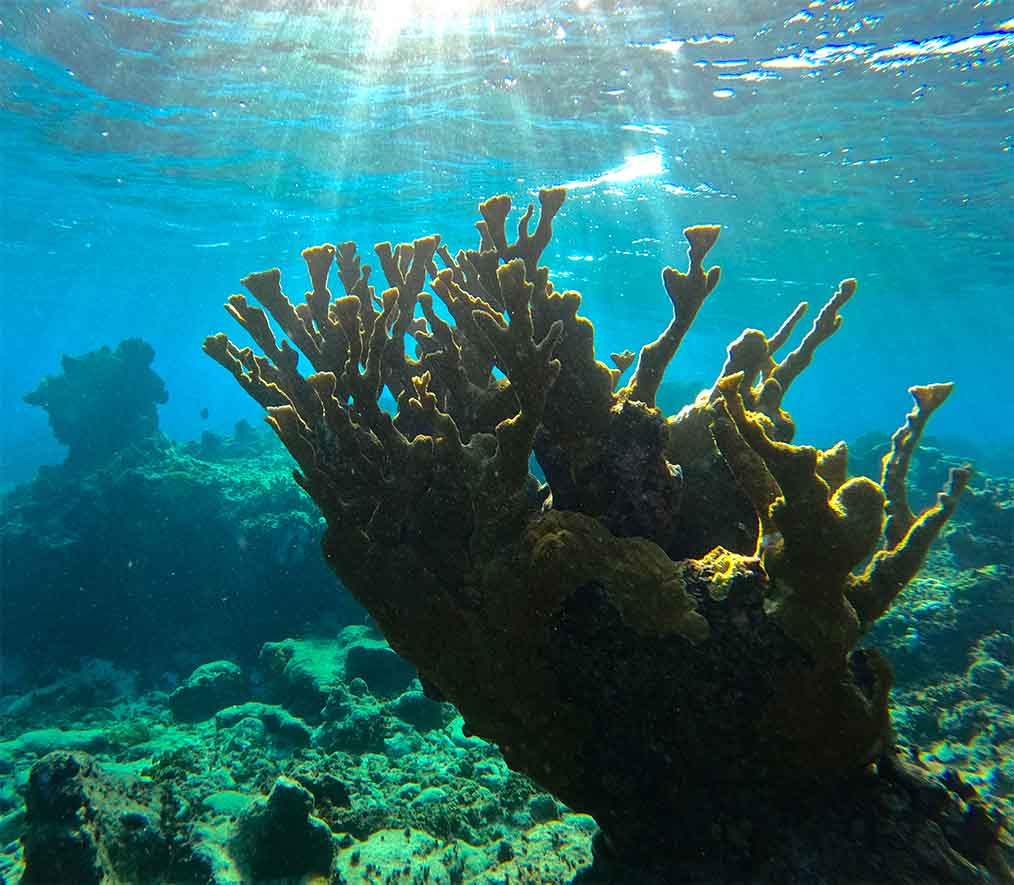
You can also go whale watching at Salt Cay, which is just south of Grand Turk. Salt Cay is regarded for its incredible coral formations and the wreck of the HMS Endymion, an 18th century British warship that ran aground on the coral.
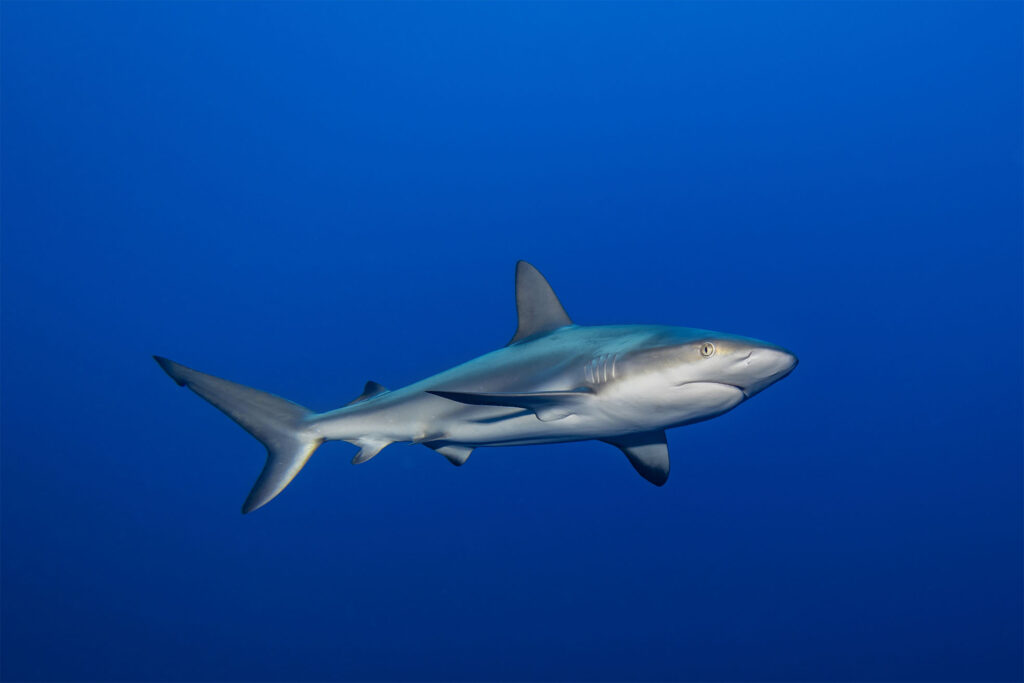
Providenciales is the epicenter of Turks & Caicos, home to the capital of Cockburn Town and the international airport. There’s a barrier reef at Providenciales that’s swarming with tropical fish, with appearances by Caribbean reef sharks and lemon sharks. From this island, you can also take boat dives to the walls along Middle Caicos.
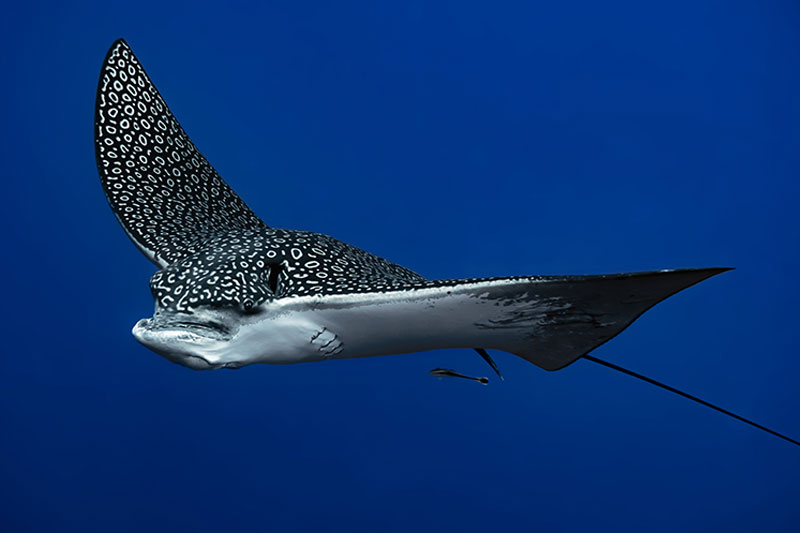
If You Enjoy Leisurely Diving Expect mellow diving at Turks & Caicos, even if you’re diving deeper along the walls or closer to the channels. Without much effort, you’ll be able to explore the swim-throughs at the edges of the reef, poke around for crabs and lobsters, or wave to the eagle rays and stingrays as they swim by. The hi viz makes it easier to appreciate the coral formations and biodiversity.
If You Don’t Mind Island Hopping If diving is your priority, then you might want to spend a couple nights at one island before moving on to the next island, and so forth. Salt Cay and Grand Turk have excellent dive sites but they aren’t very large, so you might get hungry for a new locale after a few days at either.
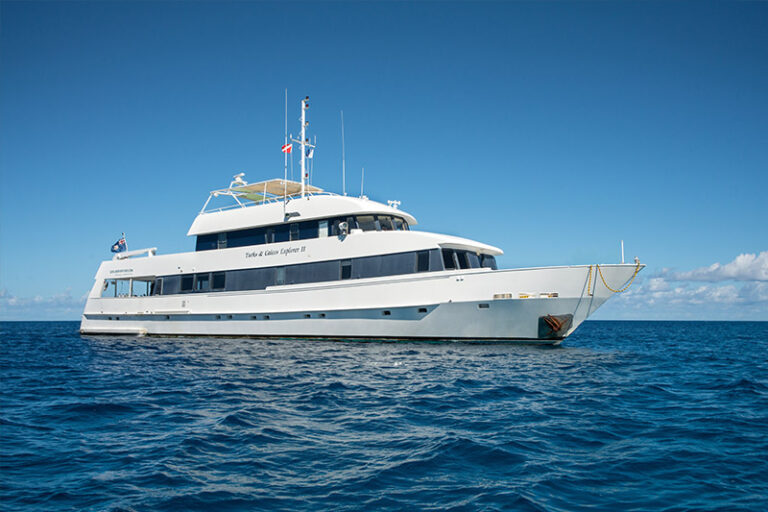
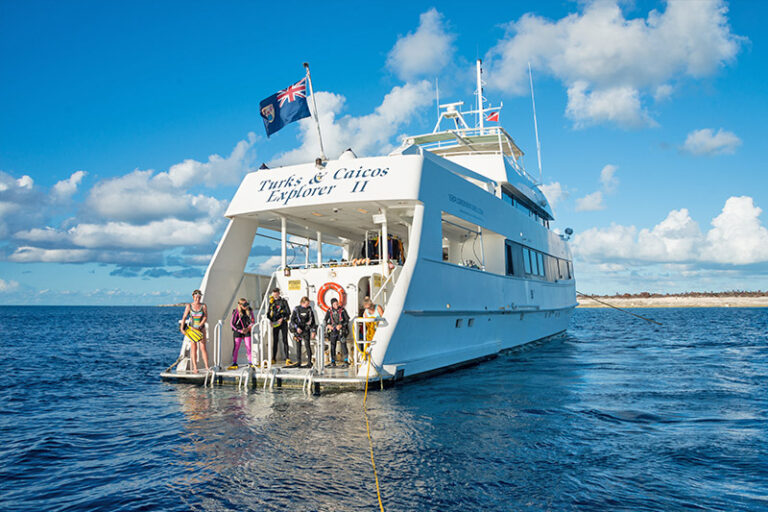
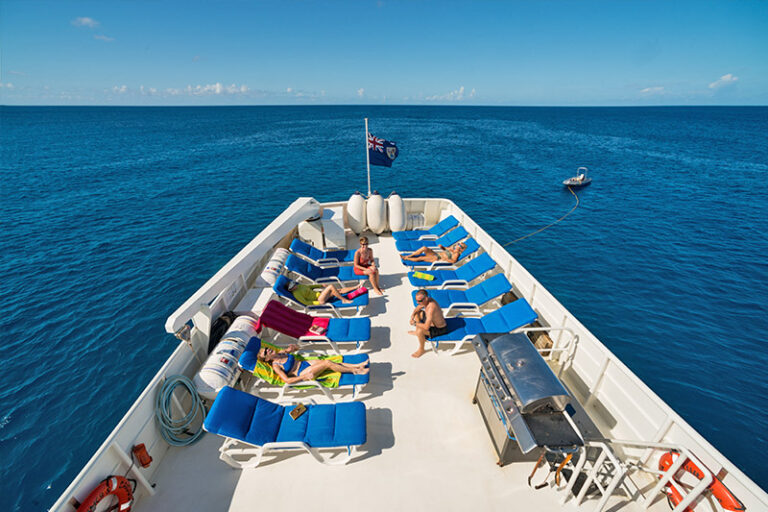
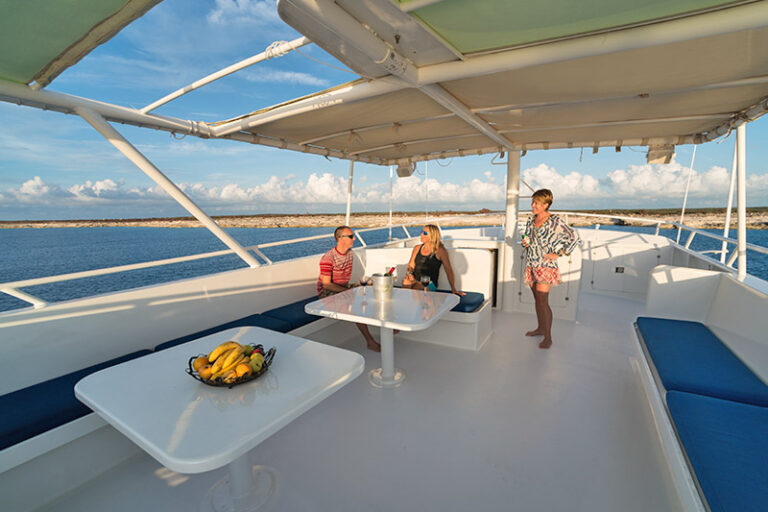
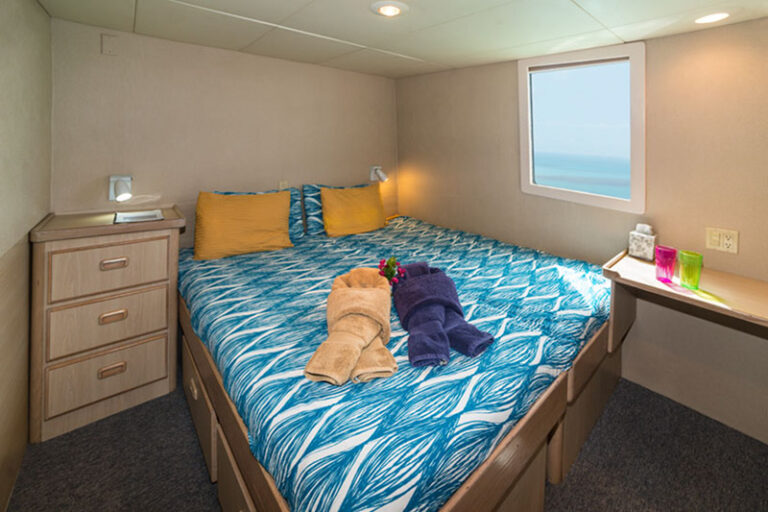
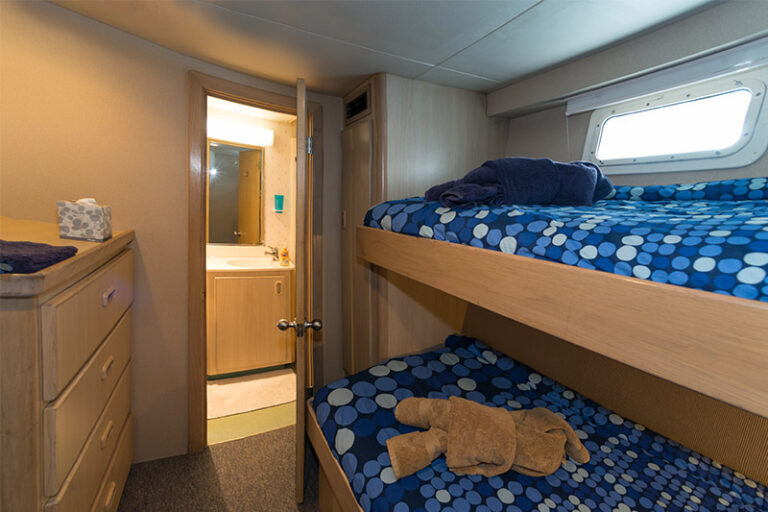
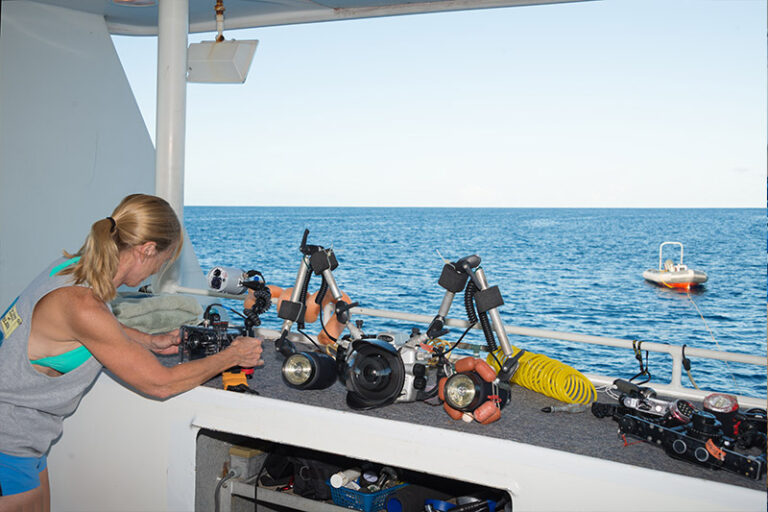
Turks & Caicos Explorer II Liveaboard
Equipped with Naiad stabilizers and a heavy keel, she serves as well in the Turks & Caicos as she does for longer, open-water excursions to the Silver Bank, 80 miles off the coast of the Dominican Republic.
You will explore the 5 different black coral species at Black Coral Forest, the reef sharks of Provo’s Shark Hotel, the deep-water gorgonians of G-Spot, and the spotted eagle rays of Double D, along with a multitude of other dive sites along the region’s plunging walls.
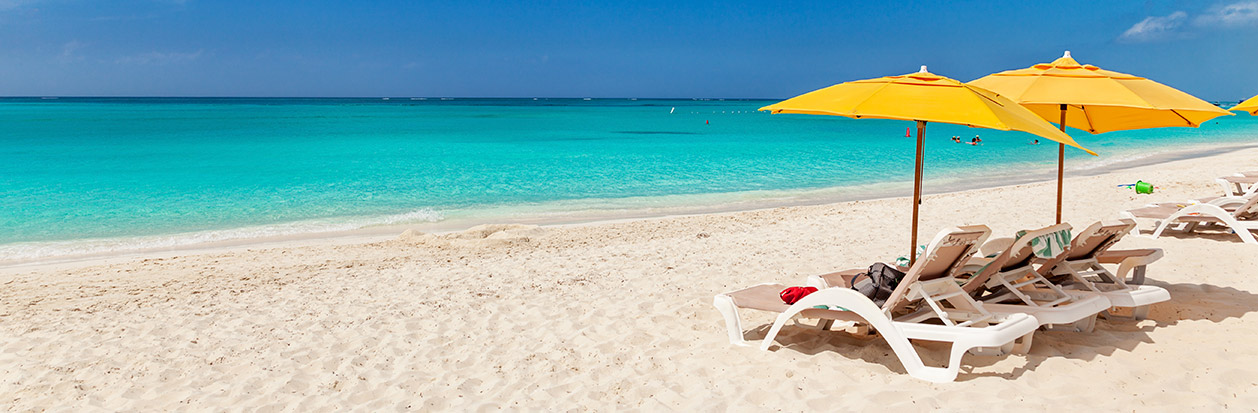
Turks & Caicos has white beaches, turquoise water, and first-rate beach resorts that really put the vacation in dive vacation. Even if you’re going to island-hop, you can rest assured that you’ll never land in a place without a stunning beach and terrific hospitality.
Explore Grand Turk on Golf Carts
Grace Bay Beach (a popular beach on Providenciales with good snorkeling and dolphin sightings)
Chalk Sound (a turquoise bay that’s good for kayaking and paddle boarding)