Love macro photography? Rare, exotic creatures? Best-in-class dive resorts? Here’s a destination for divers who truly want to experience the biodiversity of the Coral Triangle.
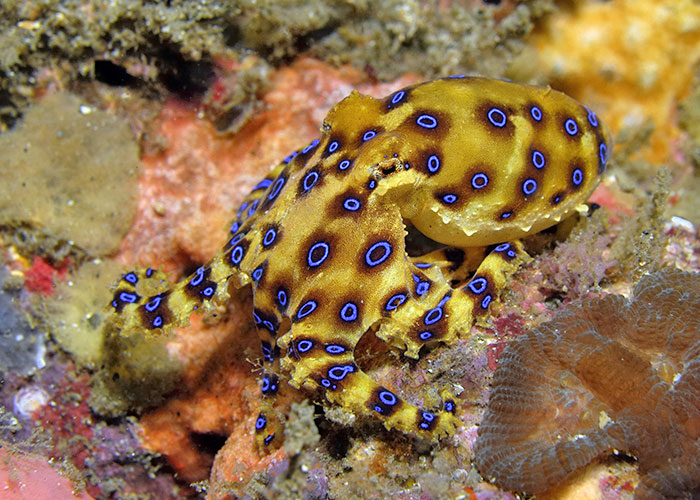
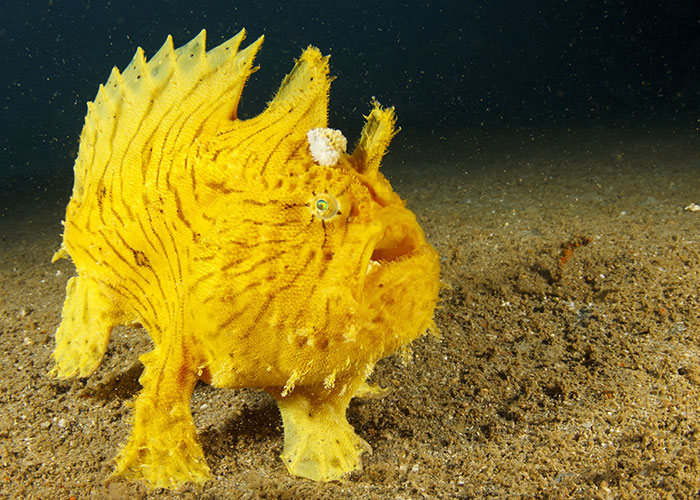
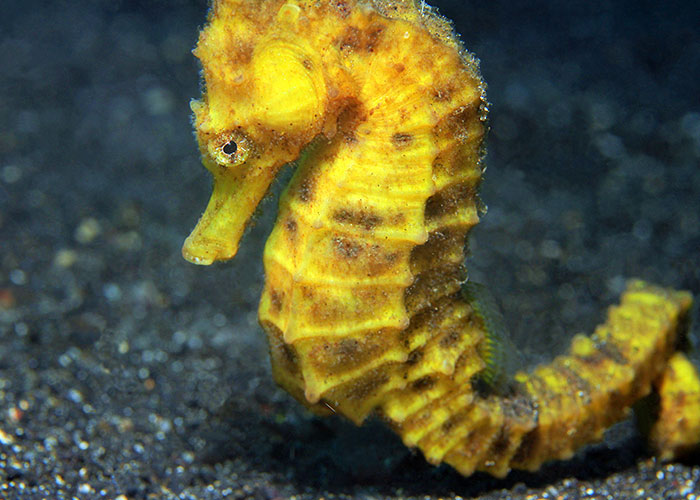
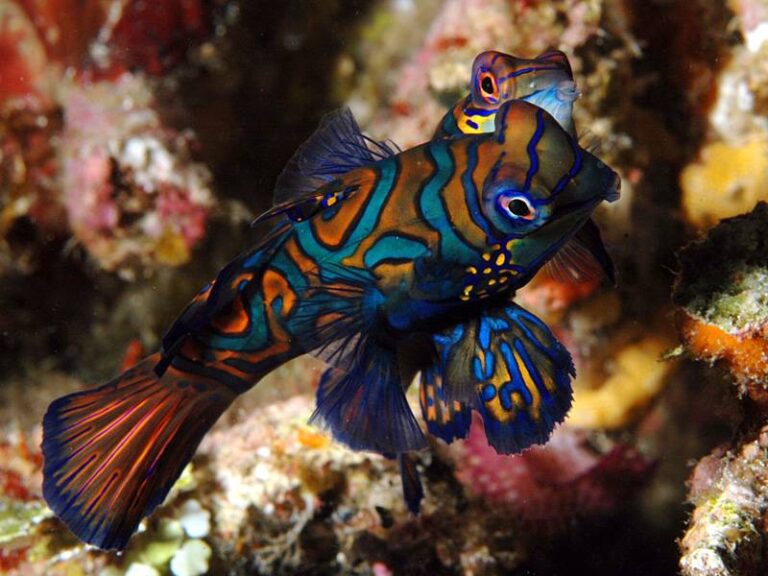
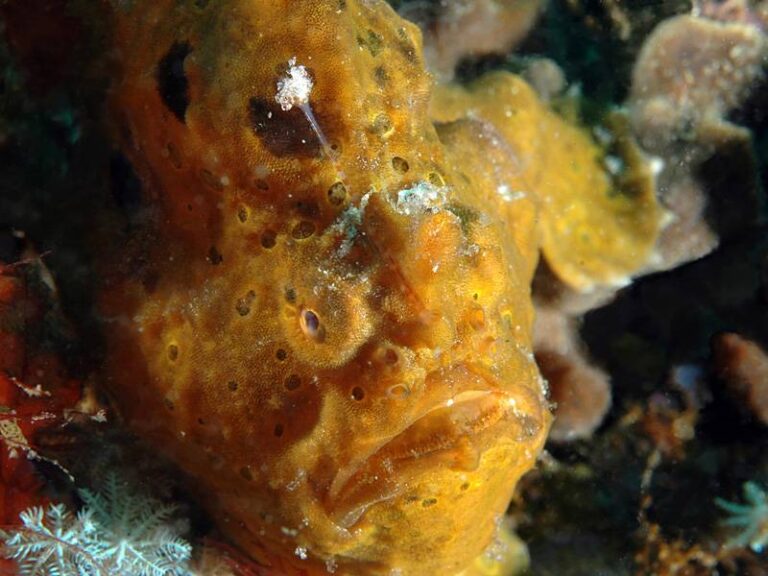
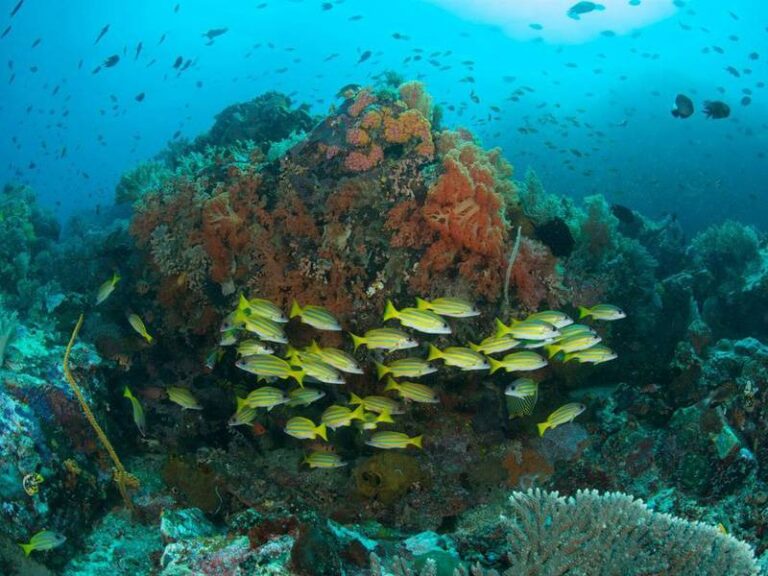
The big animals get all the credit, but it’s the smaller creatures that won the biodiversity title for the region. They’re easily overlooked, yet totally unforgettable once you focus your eyes (or your lens).
Best Time to Travel: July – Oct. Diving: Boat and Shore Diving. Unique Marine Life: Mimic Octopuses, Multiple Species of Shrimp, Dugongs, Linckia Starfish, Waspfishes, Sea Snakes, Crocodile Snake Eels, Whip Gobies. Sea Temps: Average 84°F. Air Temps: Average 82°F. Accommodations: Land-Based Resort. Other Adventures: Hiking, Hot Springs, Rice Fields, Markets, Shopping.
Scuba Diving in Sulawesi
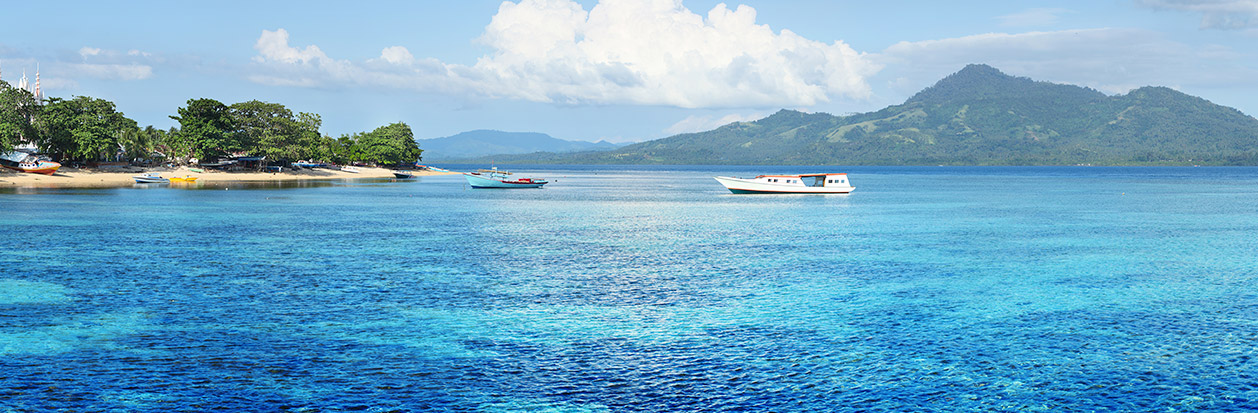
Sulawesi Island is home to several unique dive destinations. In the northeast: Bunaken, Bangka, and Lembeh. In the southeast: Wakatobi.
Bunaken
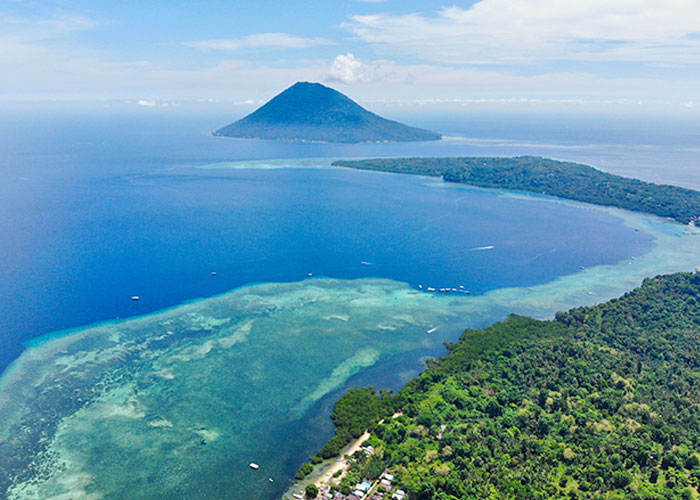
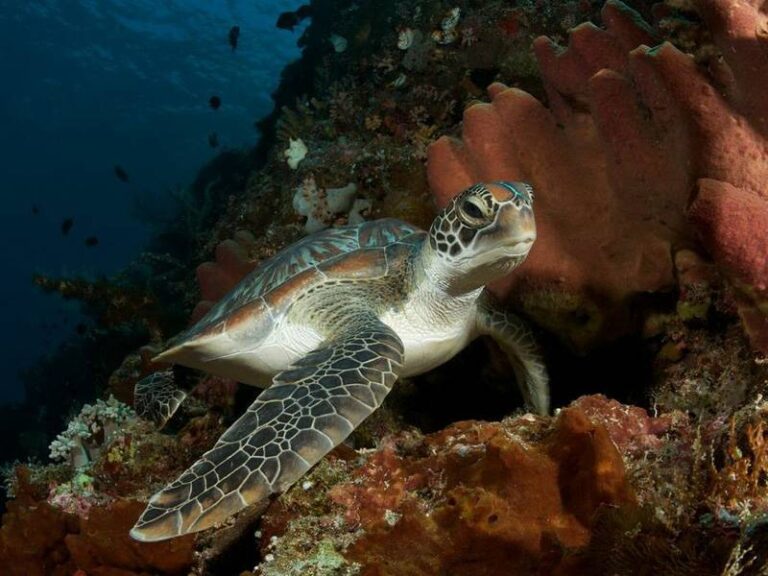
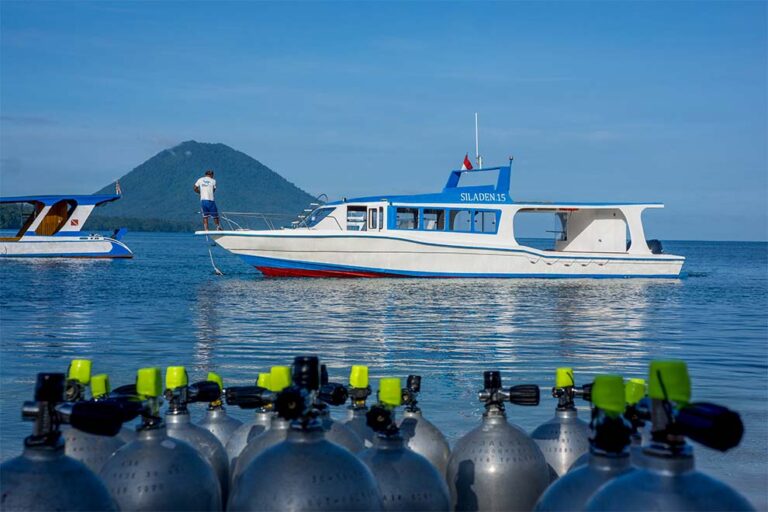
Bunaken is the hub, but you’ll also be diving at the neighboring islands of Manadotua and Siladen. There are steep — and sometimes vertical — walls that run very deep. Jacks, barracudas, and reef sharks cruise along the walls, and there’s tons of sea turtles.
Bangka
Bangka is the hub, but there’s 5 other islands in the neighborhood with large boulder formations and deep pinnacles. This area receives the strongest currents, and most of the dive sites are drift dives with lots of schooling fish.
Lembeh
Lembeh has black-sand bottoms and small patch reefs, and this is where the best-of-the-best critter diving is done. But it’s not all critter diving; there’s also 2 spectacular World War II wrecks.
Wakatobi
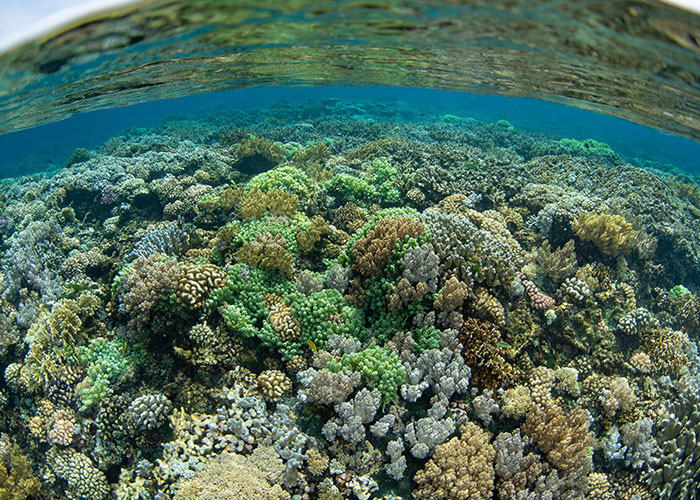
The Wakatobi Islands have a nice variety of coral formations, which include ledges, bowls, overhangs, and walls. The Wakatobi House Reef is one of the world’s best house reefs and shore dives. Roma, an underwater pinnacle, is swirling with schooling fusiliers and banded sea snakes.
You will enjoy Sulawesi…
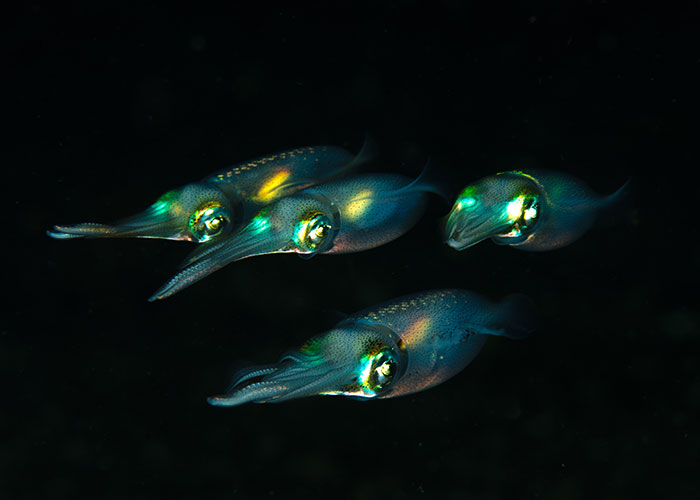
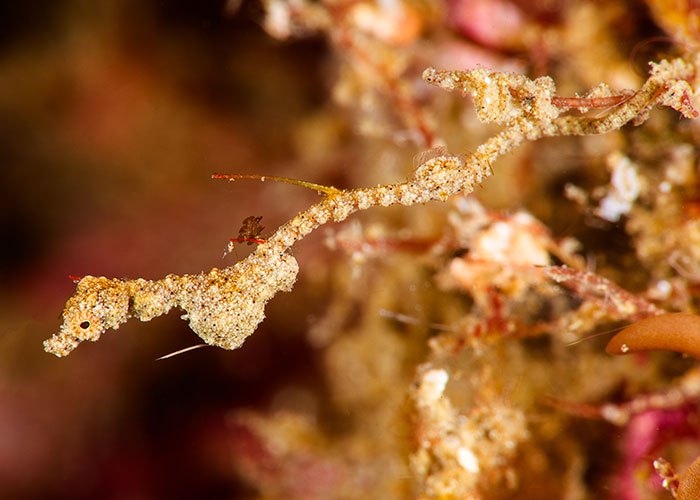
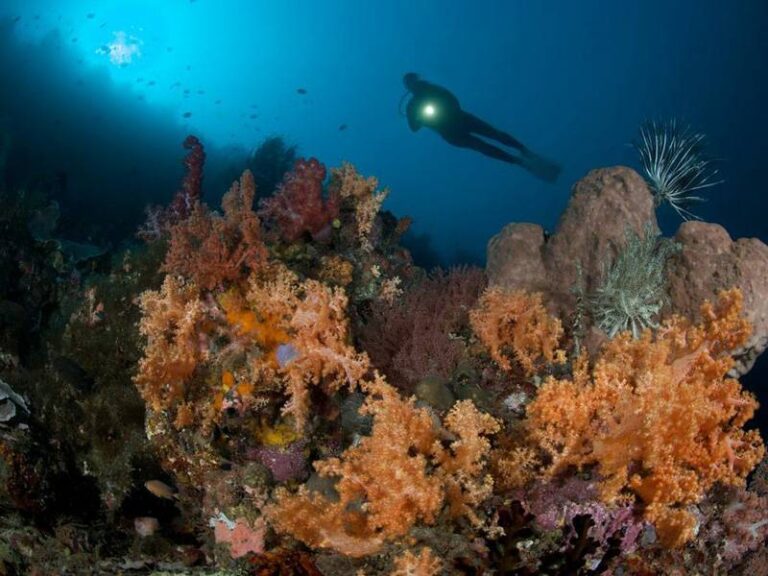
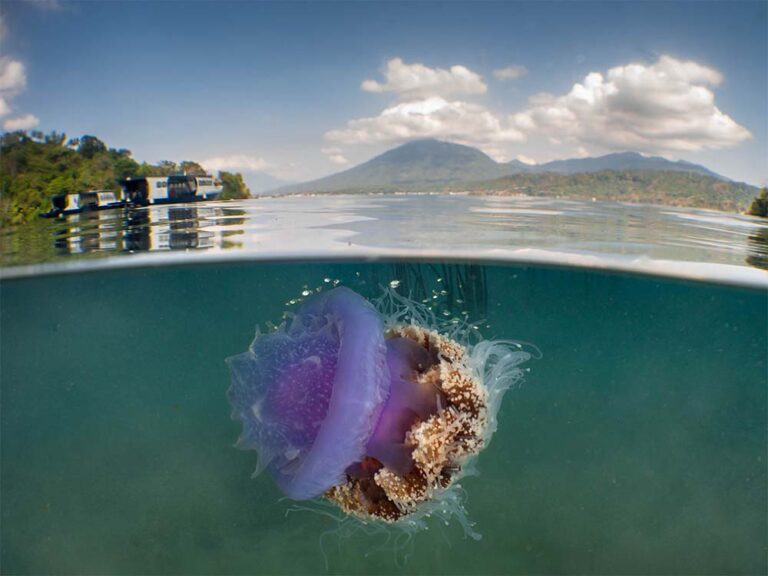
If You Enjoy Biodiversity There’s too many unique animals to list, but at Sulawesi you can spot commensal shrimp, harlequin shrimp, whip gobies, pygmy seahorses, Linckia starfish, waspfishes, sea snakes, crocodile snake eels, scorpionfish, jellyfish, mimic octopuses, and tons of nudibranchs. But there’s bigger animals, too, like dugongs, sharks, and schooling barracuda. Some of the dive resorts do black water dives, if you’re interested in seeing neon-gleaming aliens of the open ocean.
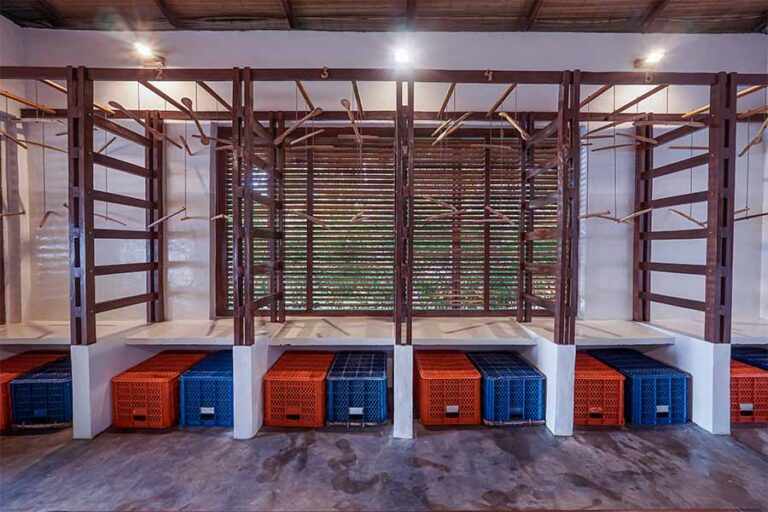
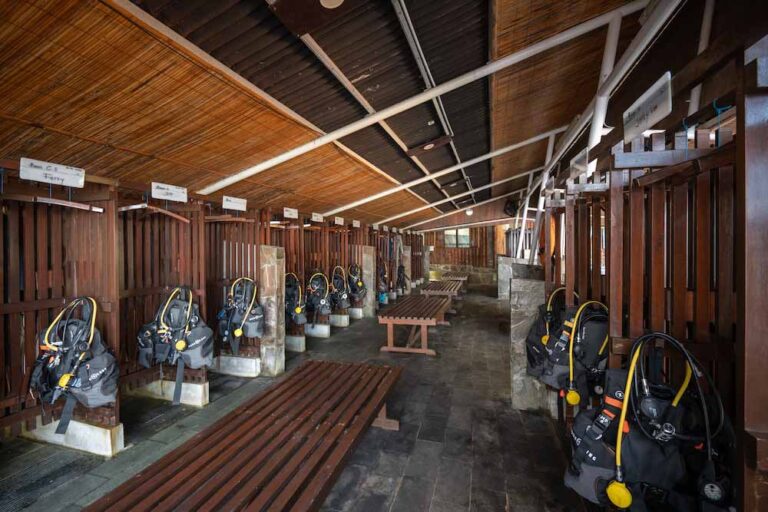
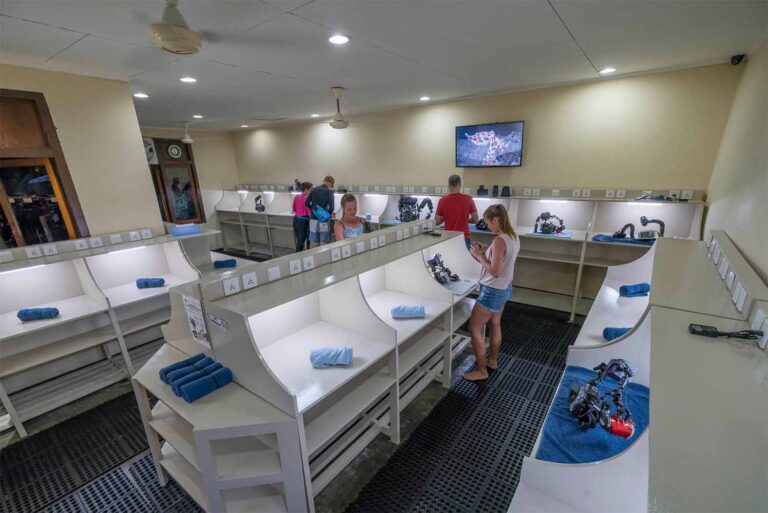
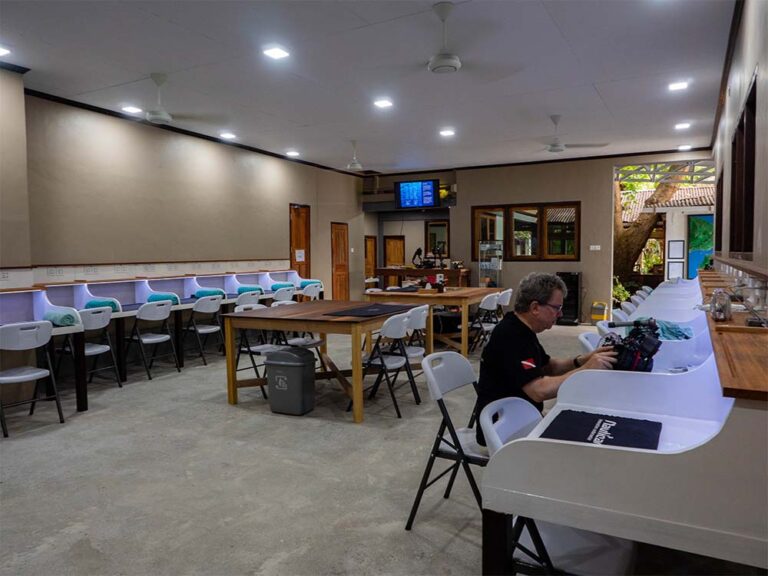
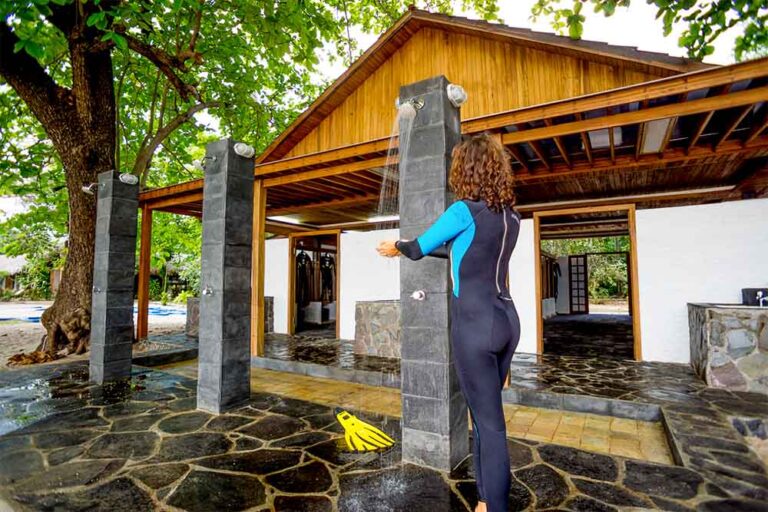
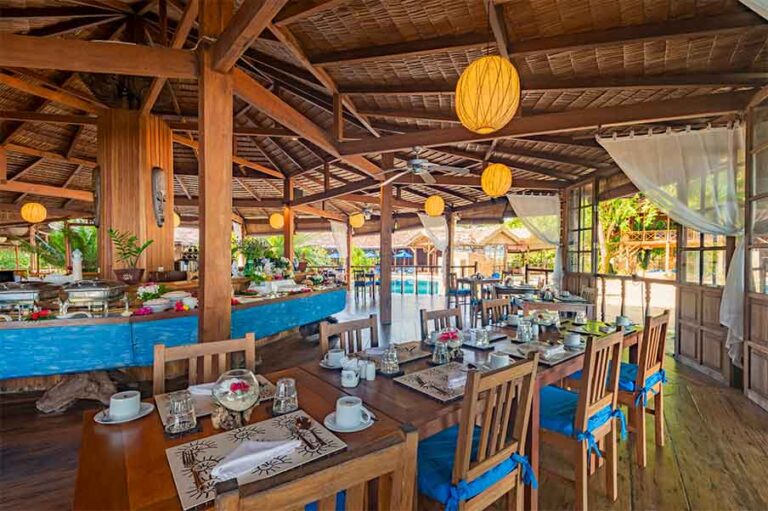
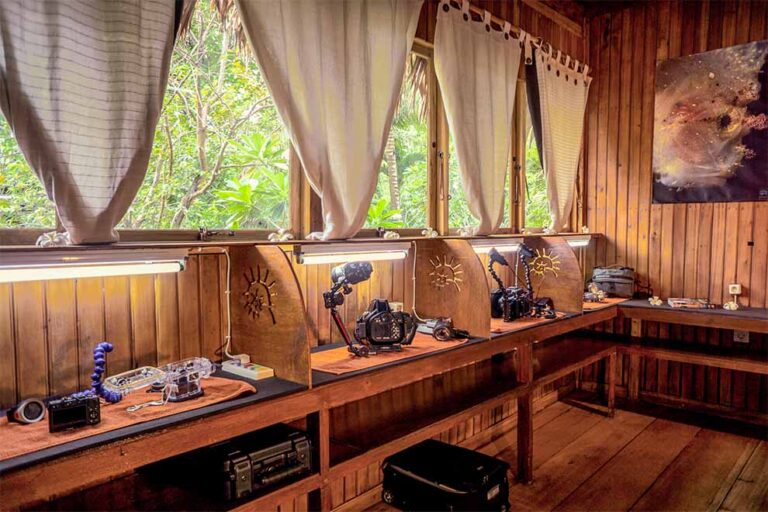
If You Don’t Mind Hopping Around You can knock out Bunaken, Bangka, and Lembeh in a single dive trip, and that’s often the best way to do it because you get the most variety by visiting all three. The dive resorts here are pretty spectacular; some of them offer special facilities for underwater photographers.
If You Enjoy Variety Each destination in Sulawesi has different reef formations and diving styles. Although it has a reputation for critter diving, there’s actually so much variety here.
Coral Eye | Bangka Island
Originally founded as a marine outpost, Coral Eye has evolved into a place where marine biologists, divers, and curious travellers come together — blending a spirit of discovery with effortless comfort and understated style.
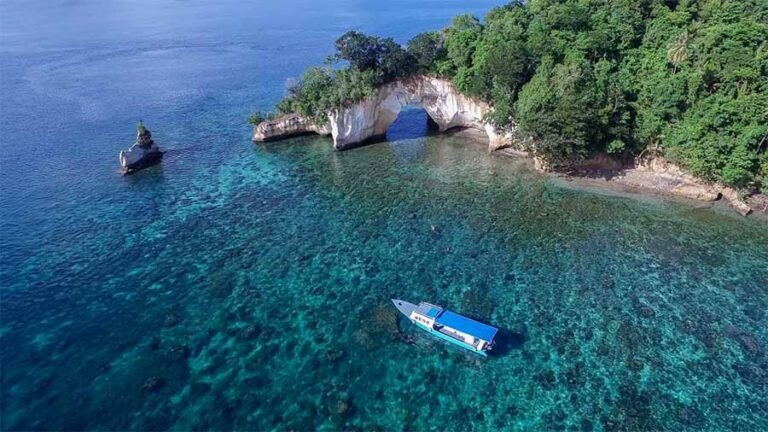
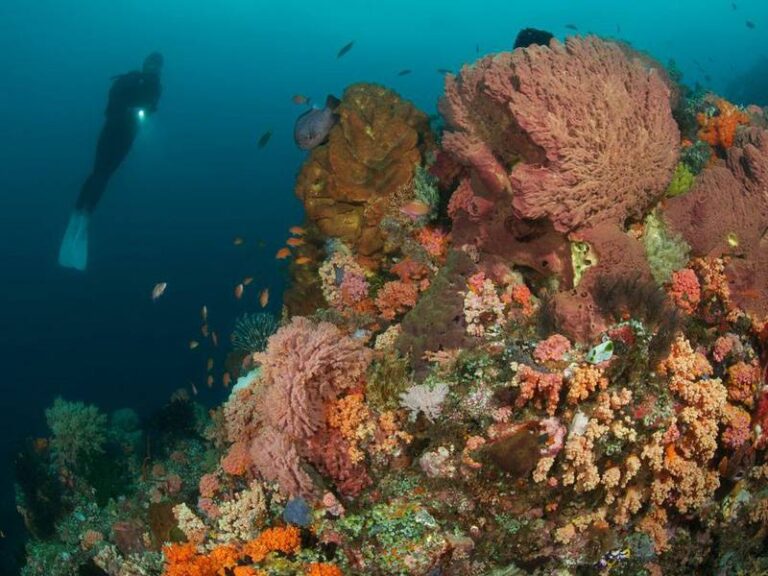
The waters surrounding Coral Eye reveal a rich and varied underwater landscape. Gently sloping reefs burst with color, dominated by hard corals, while dramatic volcanic pinnacles rise from the seabed, draped in soft corals and alive with an extraordinary diversity of marine life.
Gangga Island Resort
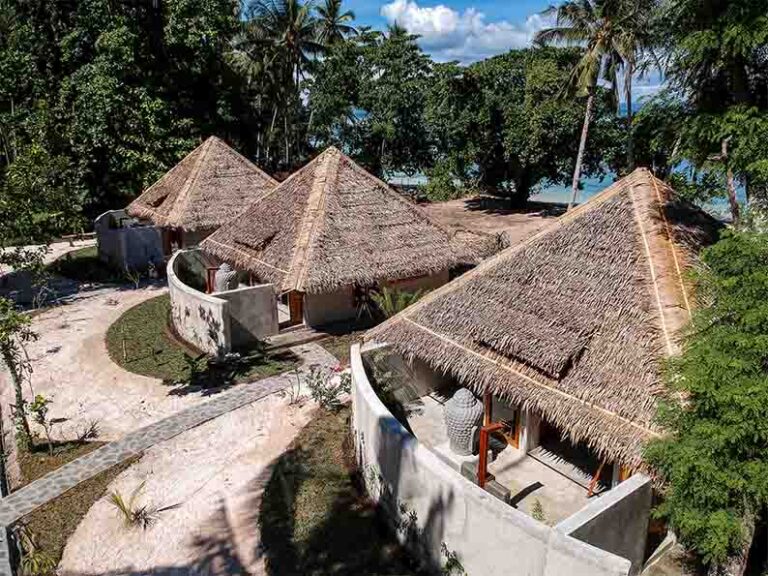
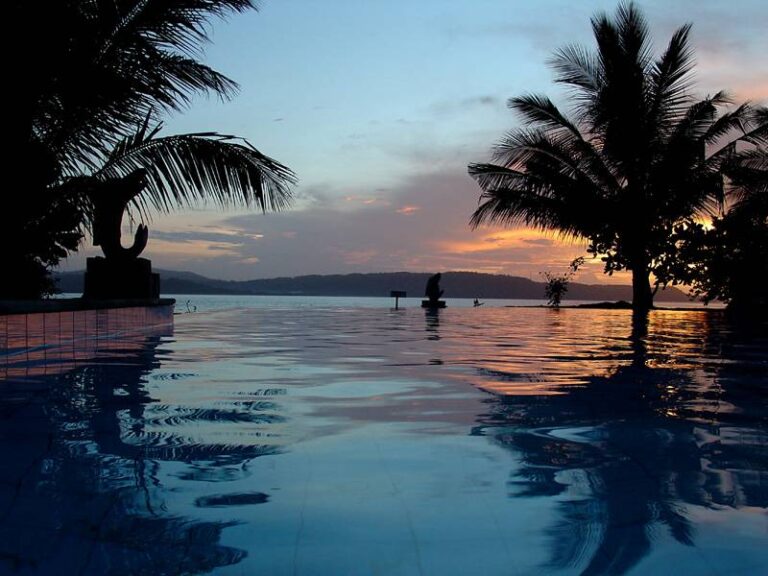
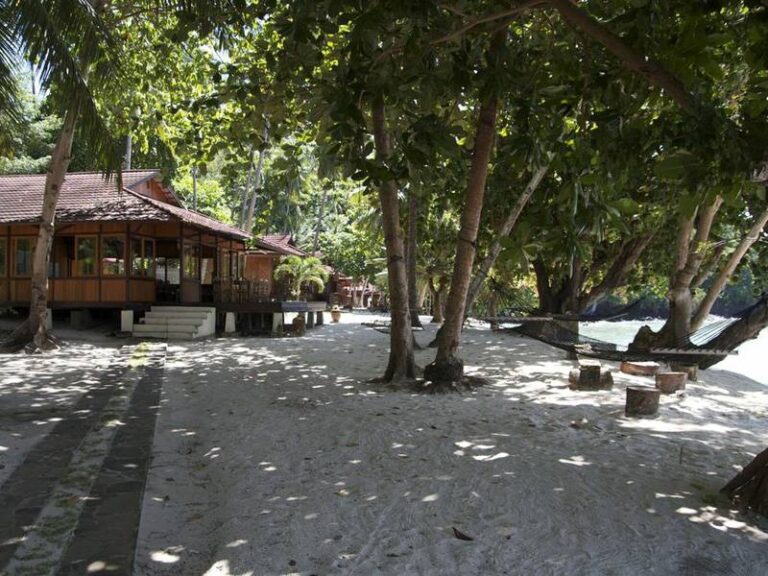
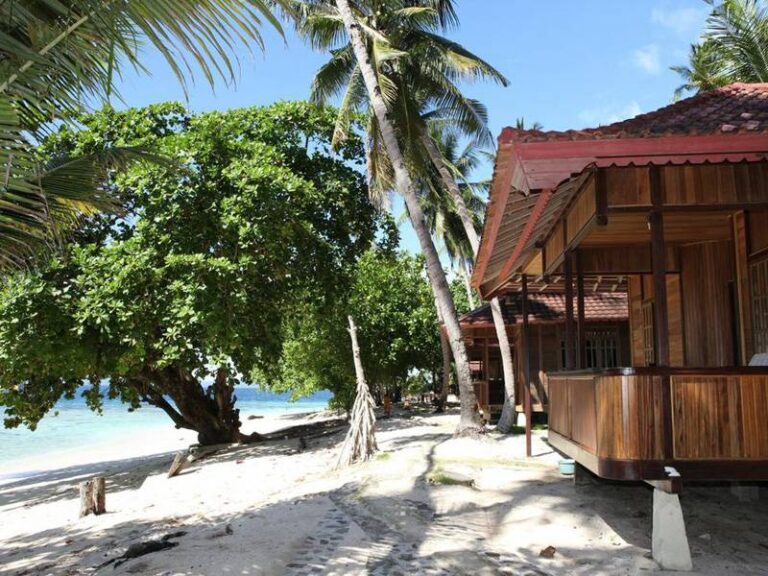
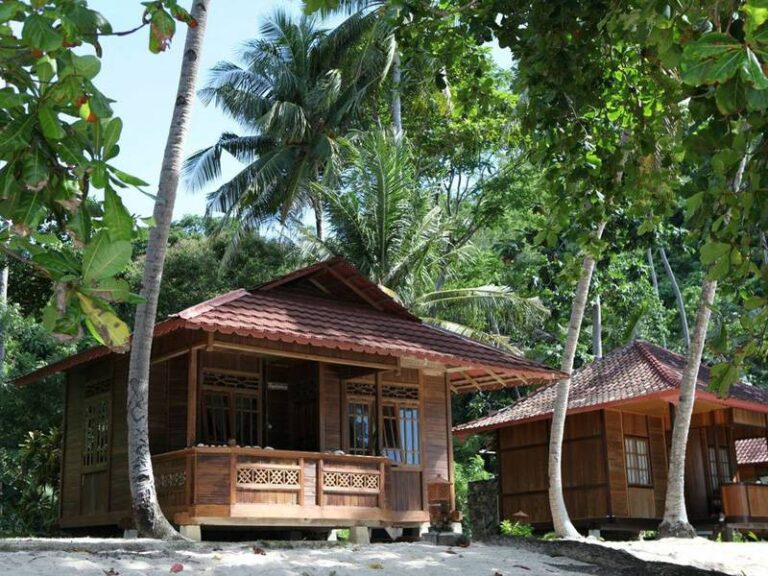
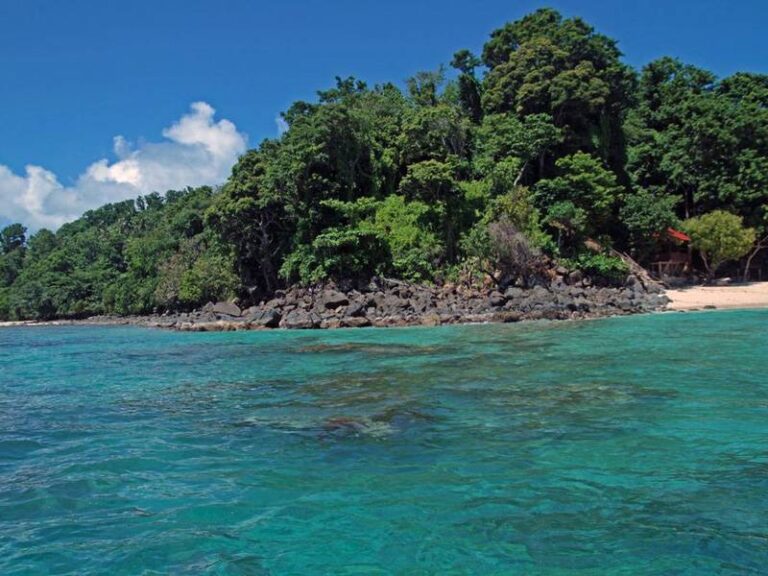
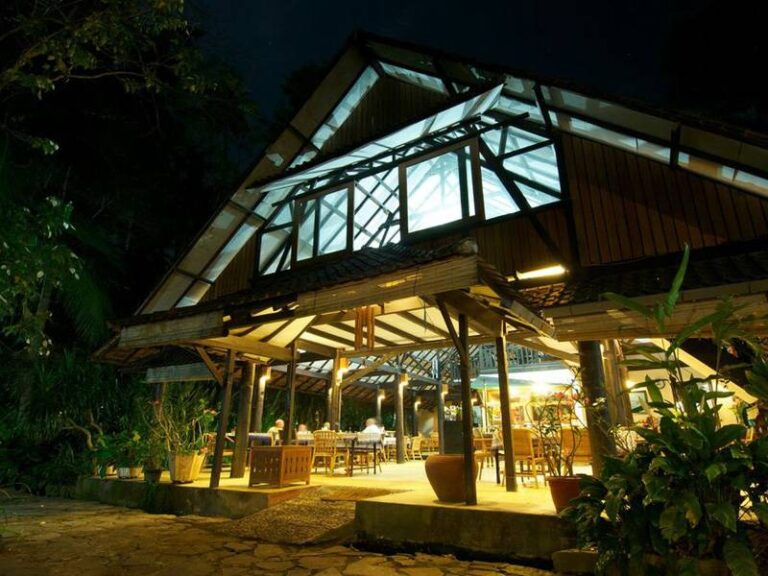
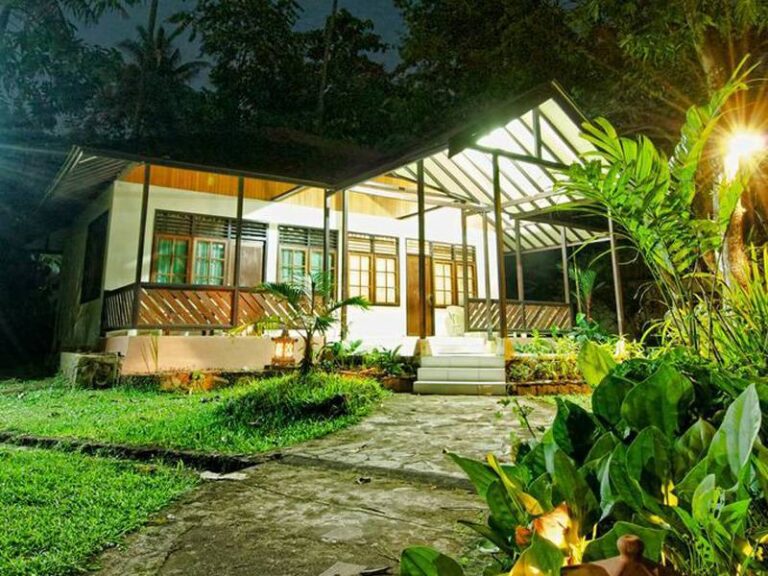
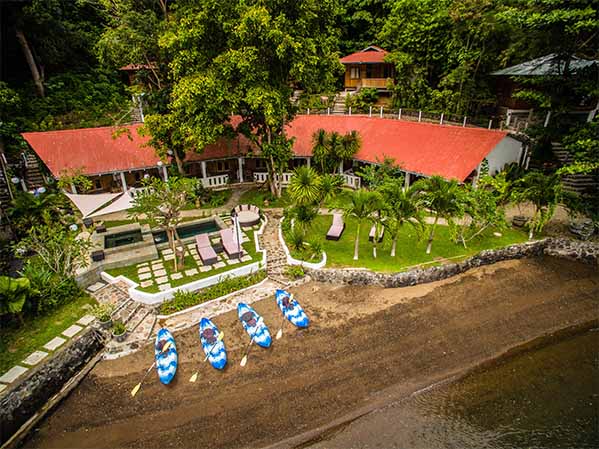
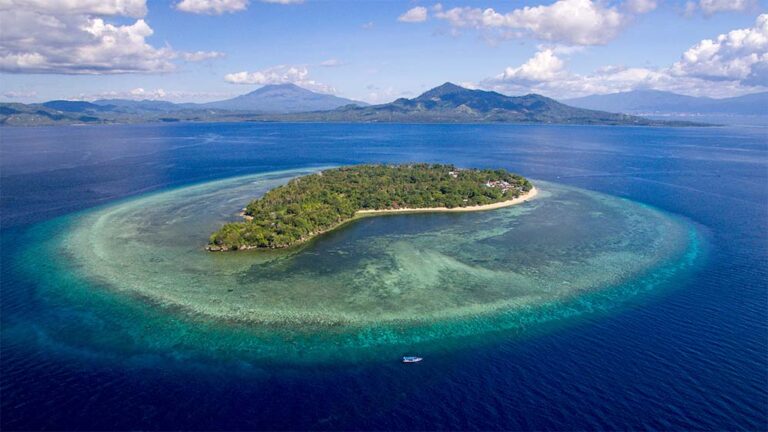
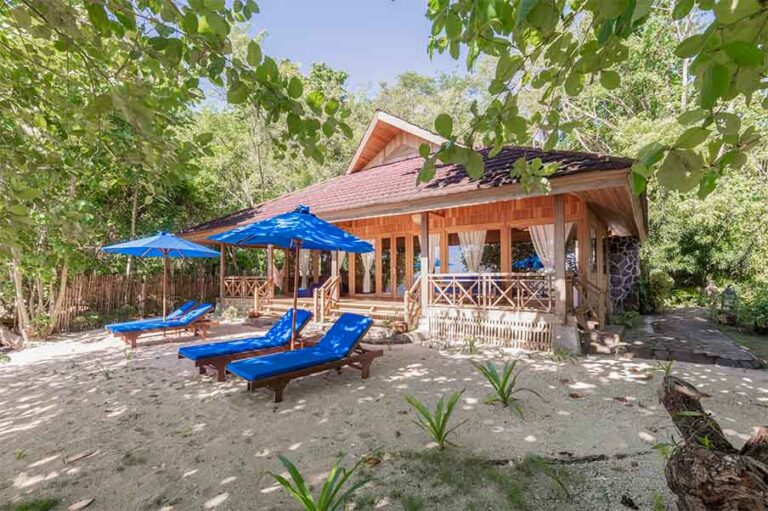
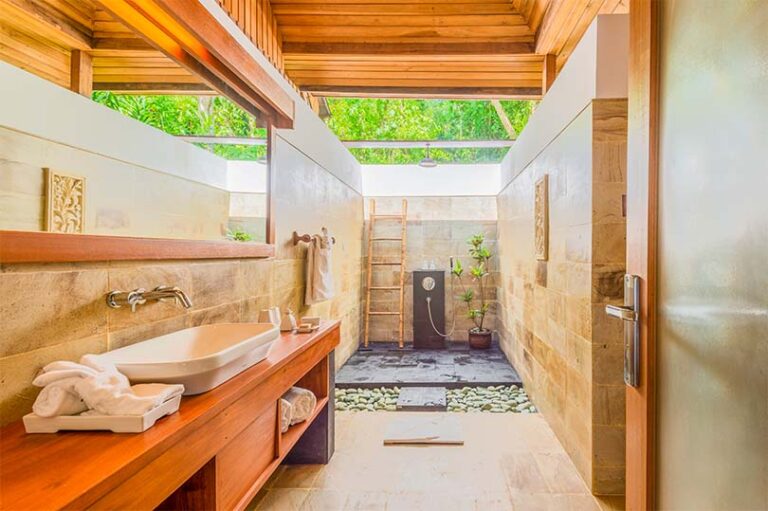
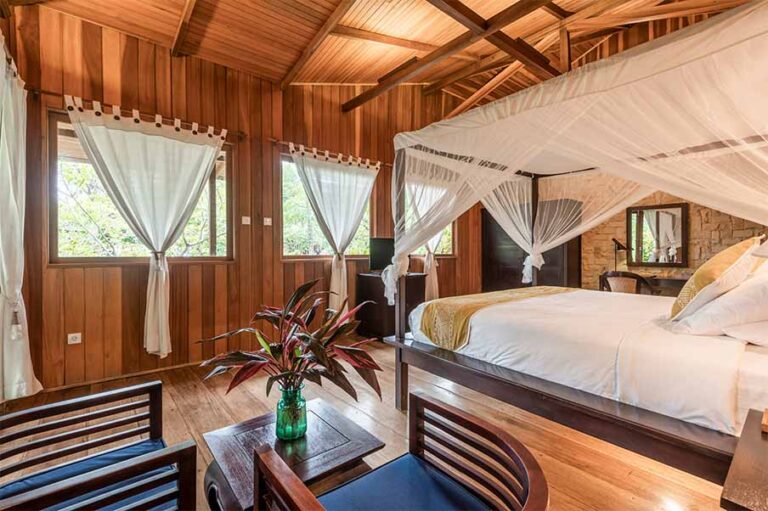
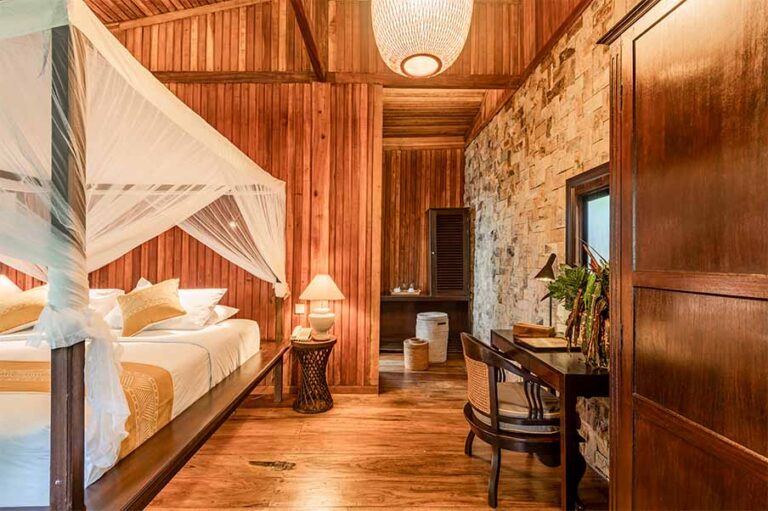
On the tip of a small island near Manado in North Sulawesi, Indonesia, lies Gangga Island Resort & Spa. Upon your arrival on the island, our staff will welcome and assist you to settle down in one of the fifteen wooden bungalows.
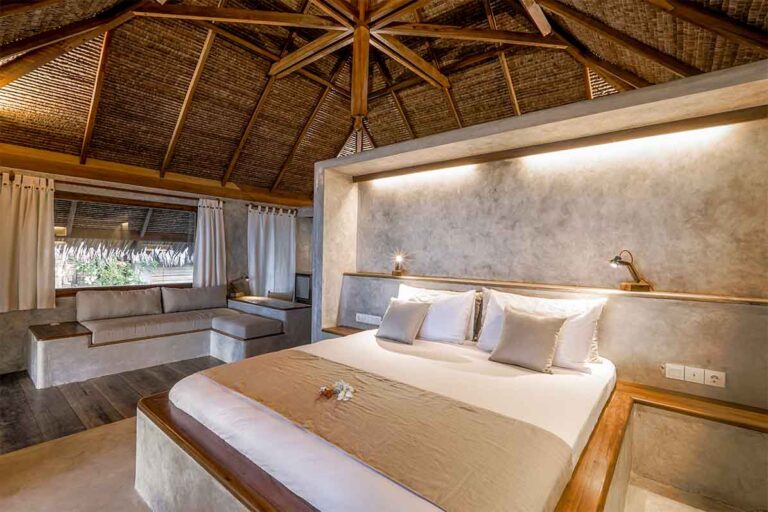
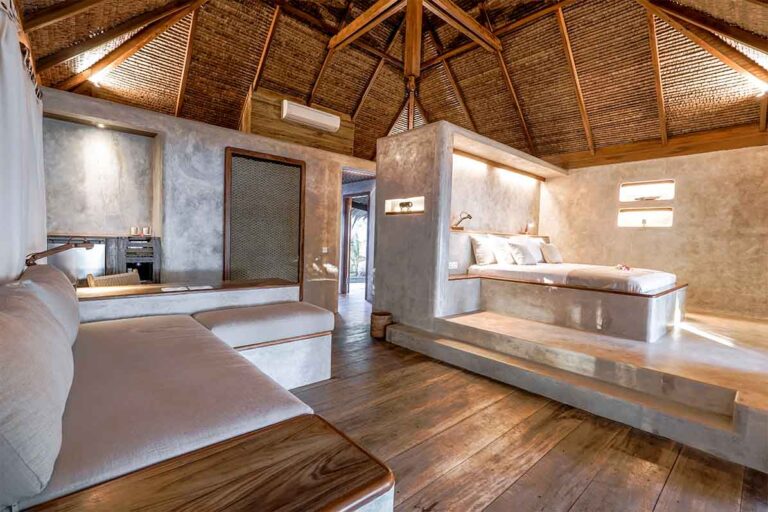
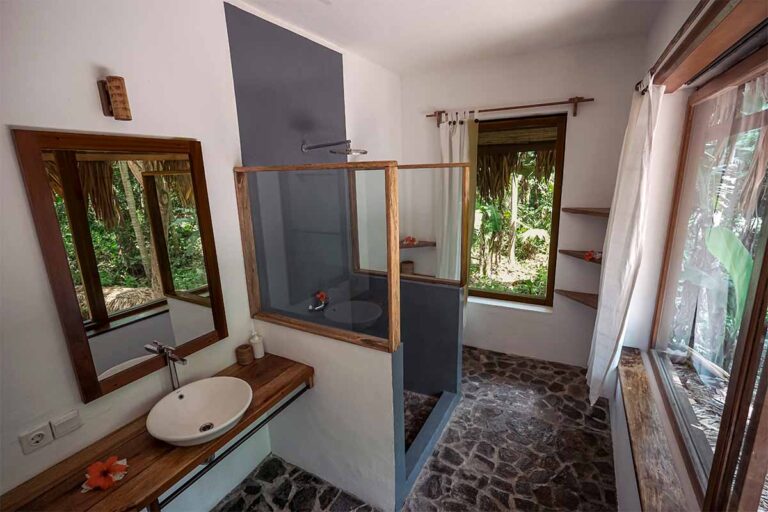
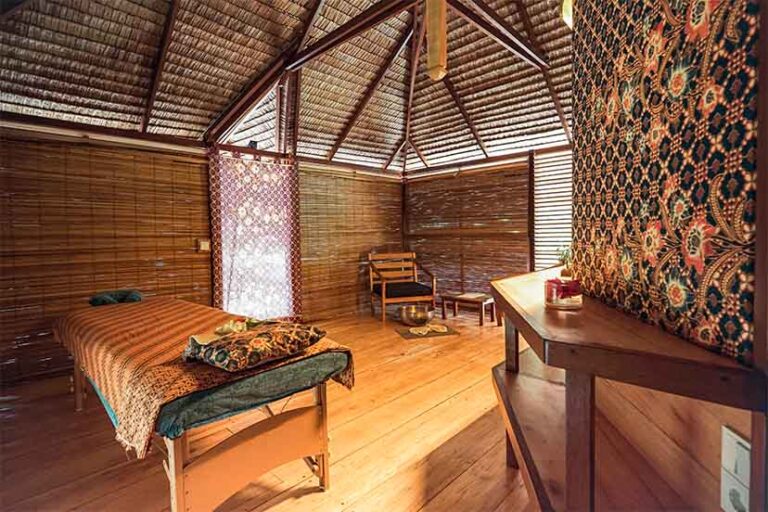
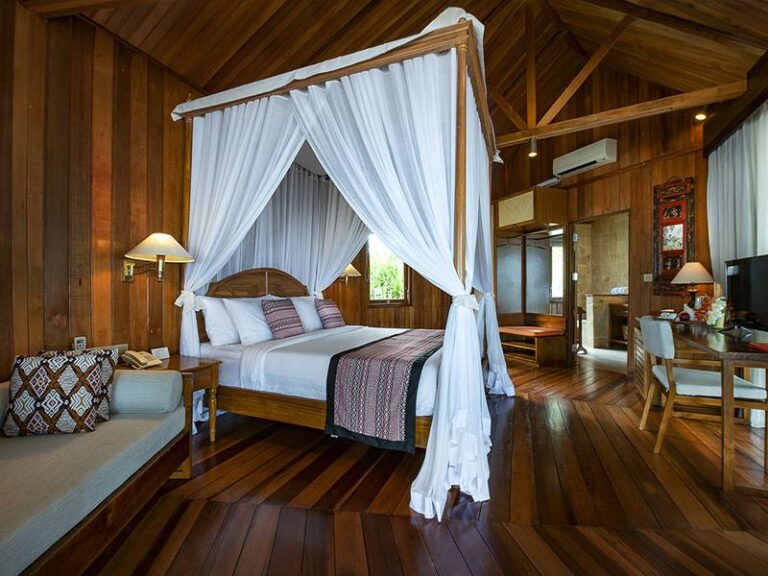
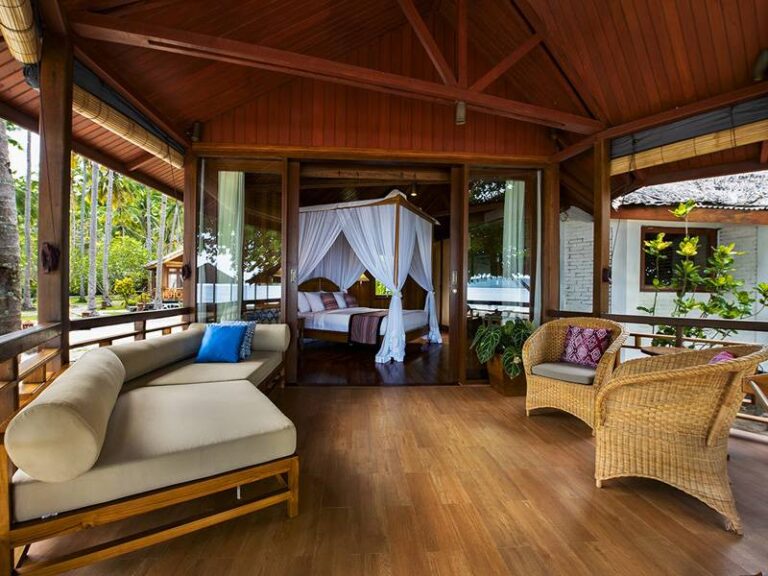
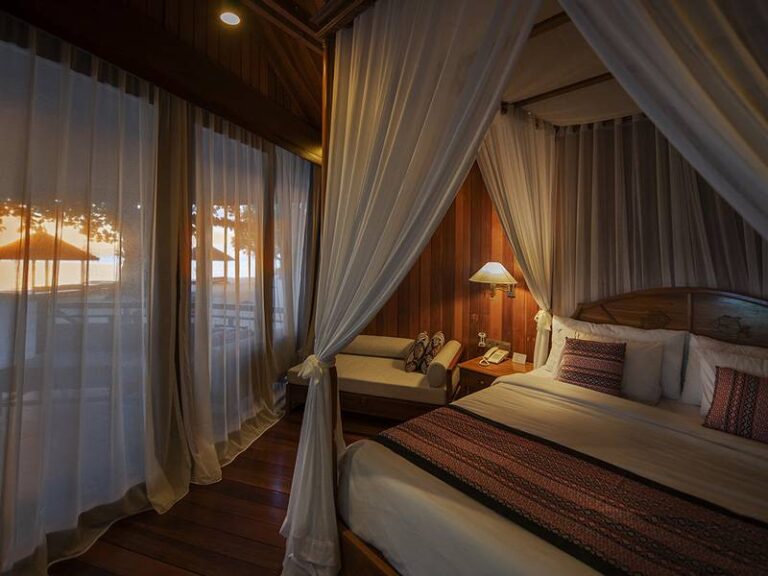
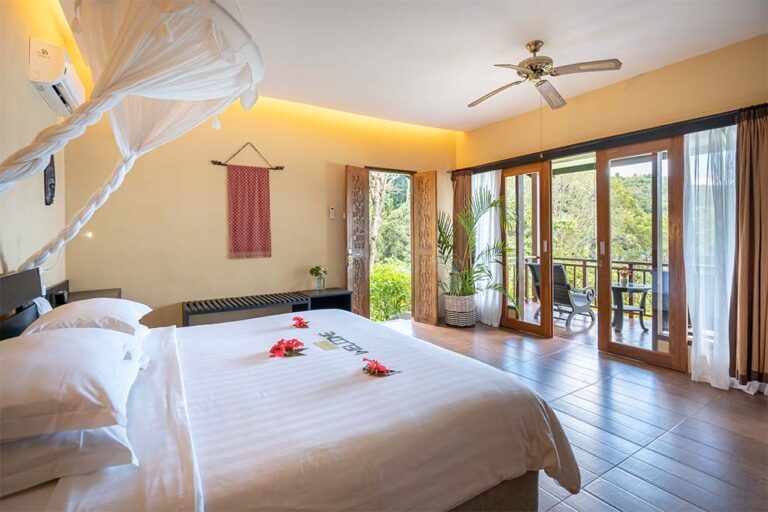
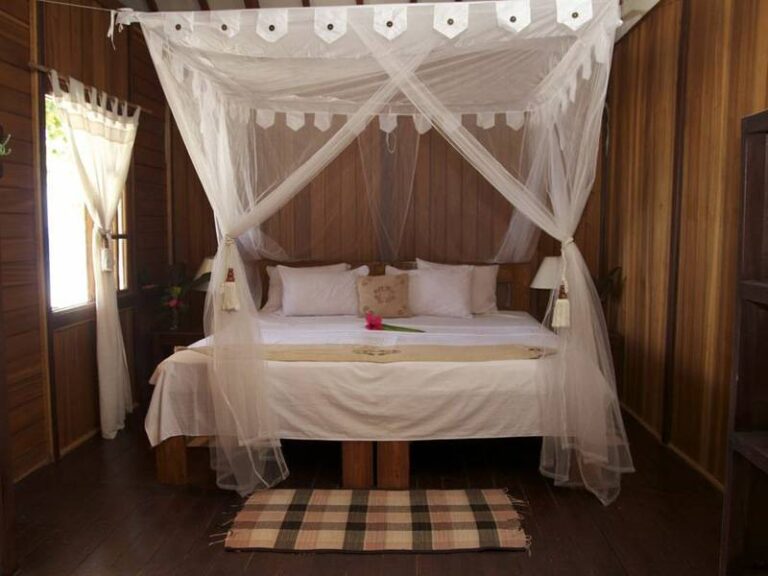
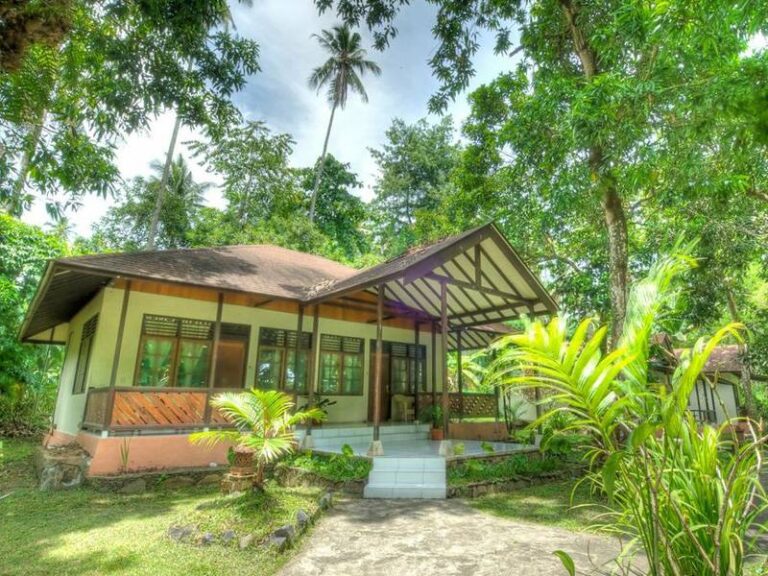
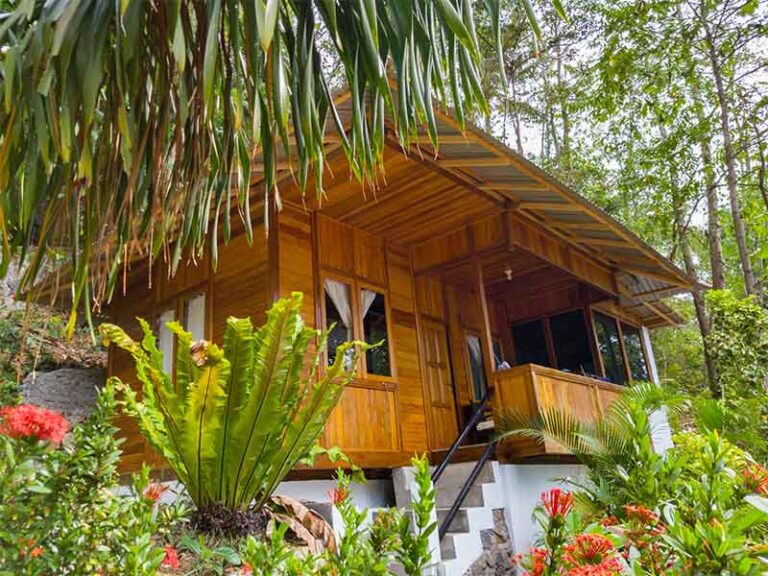
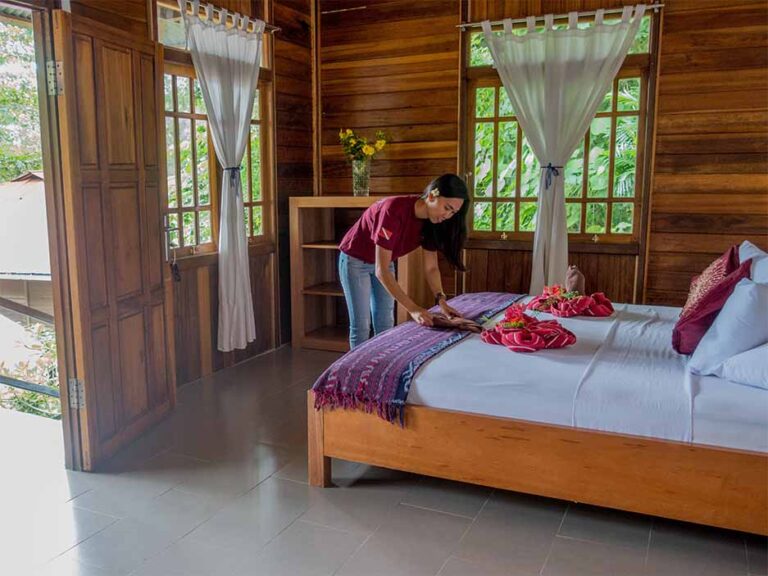
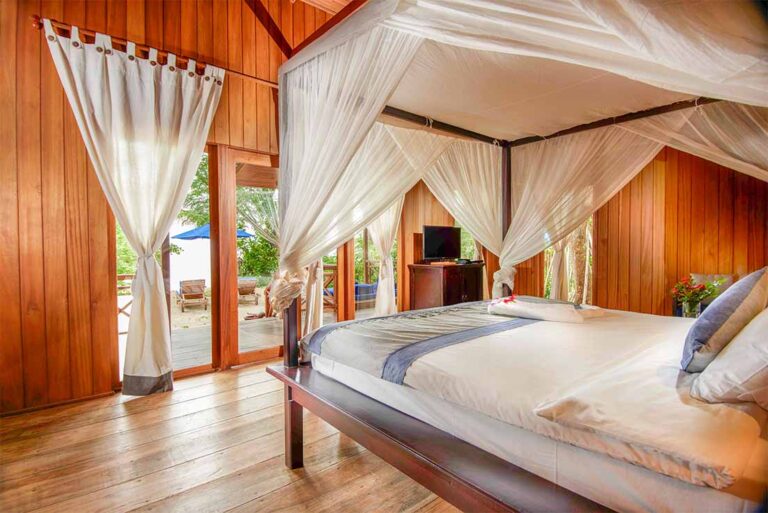
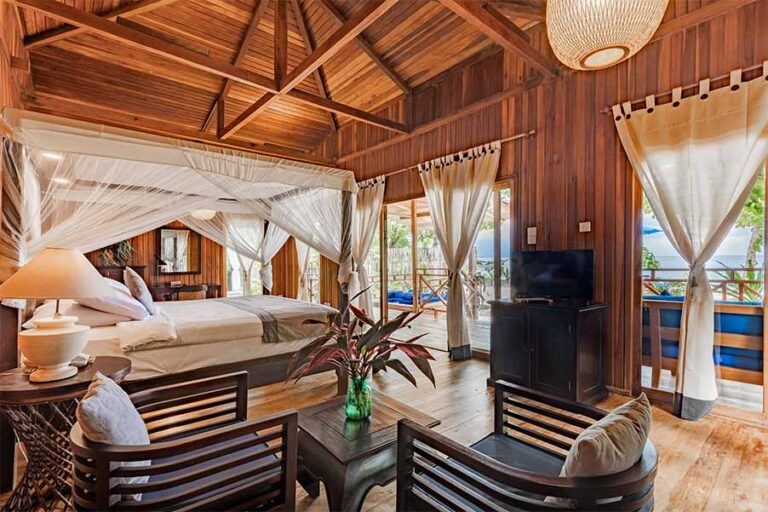
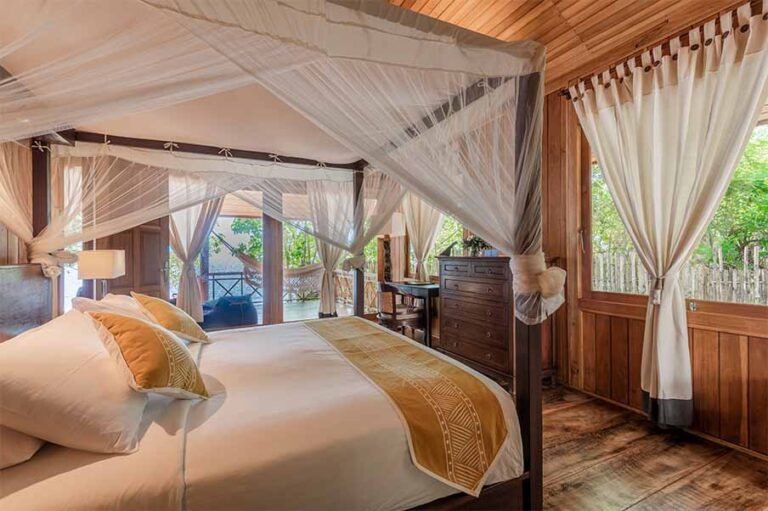
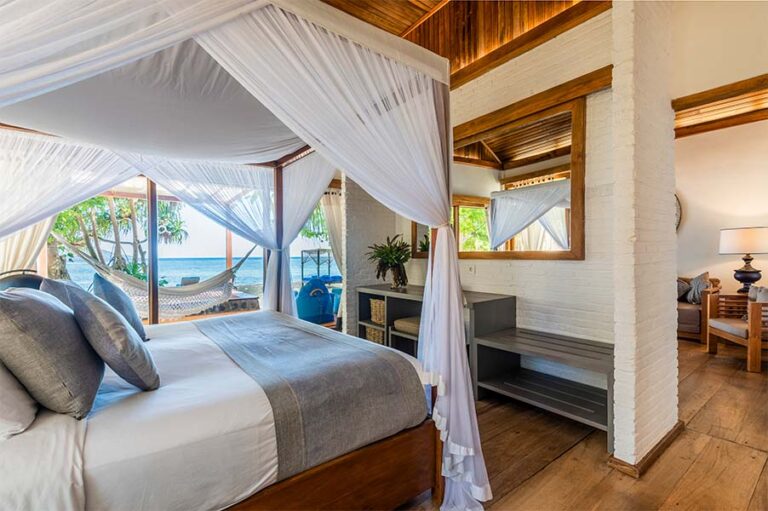
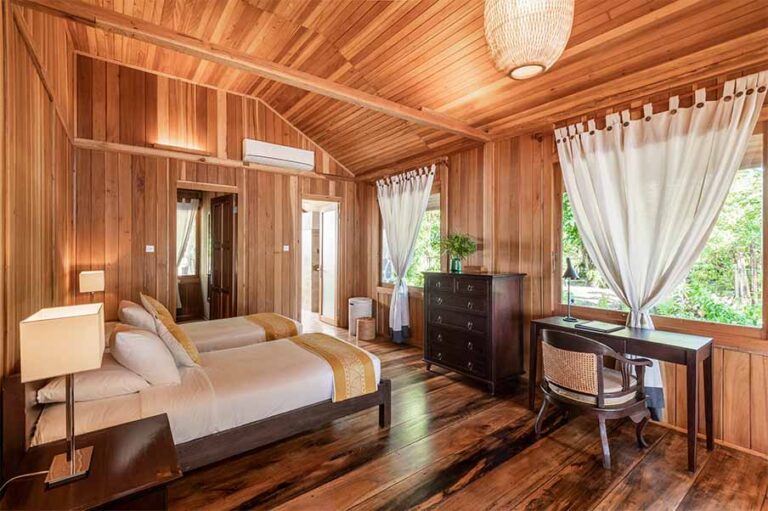
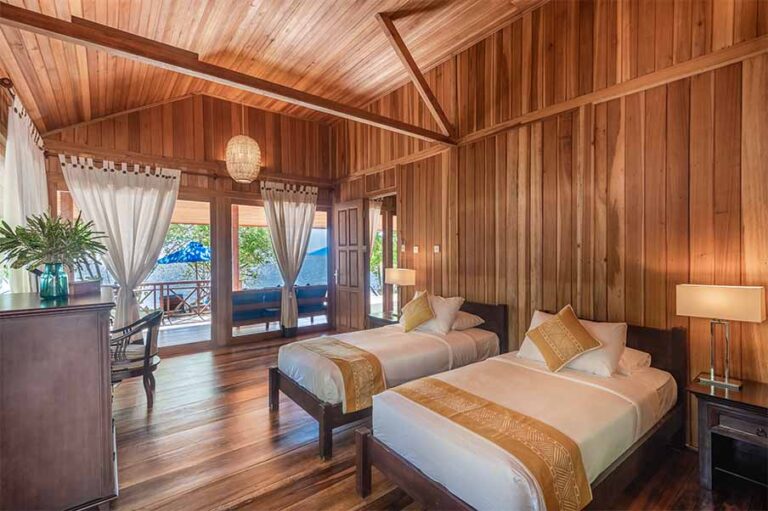
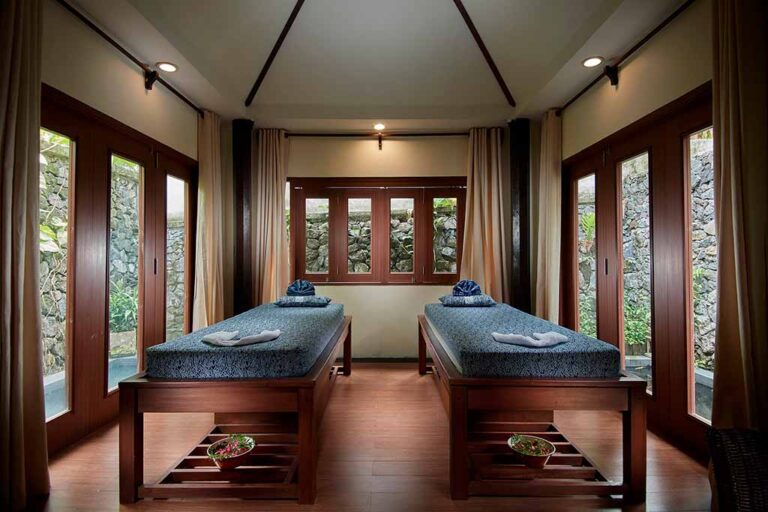
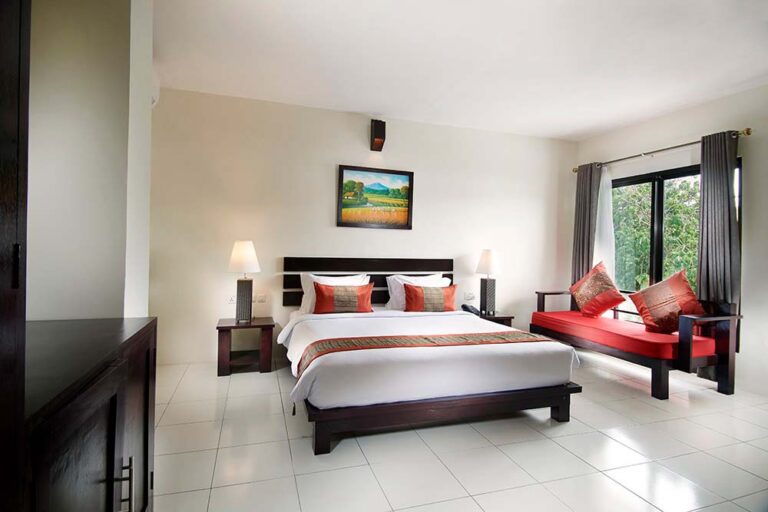
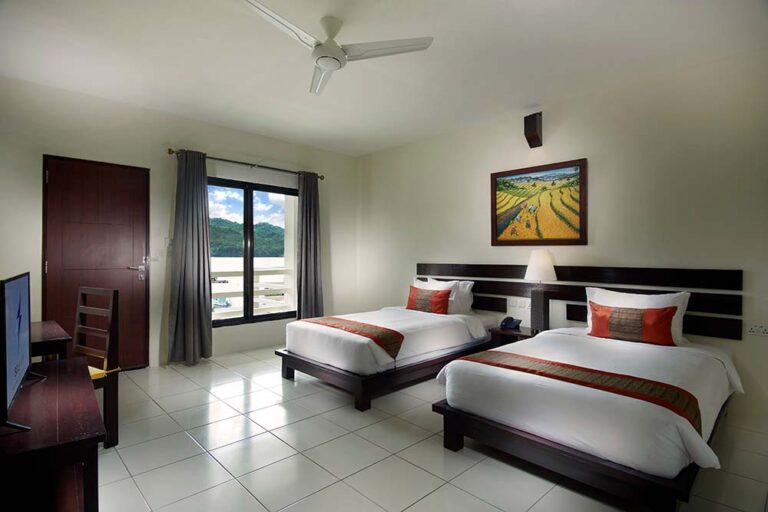
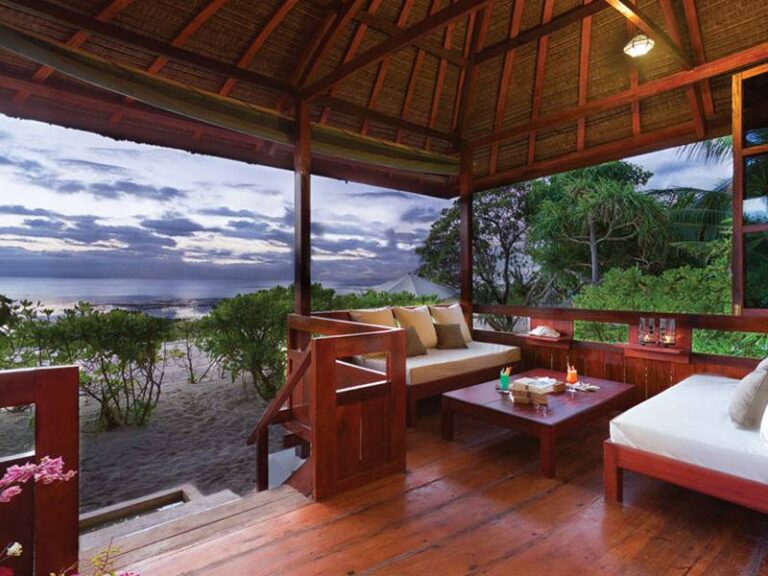
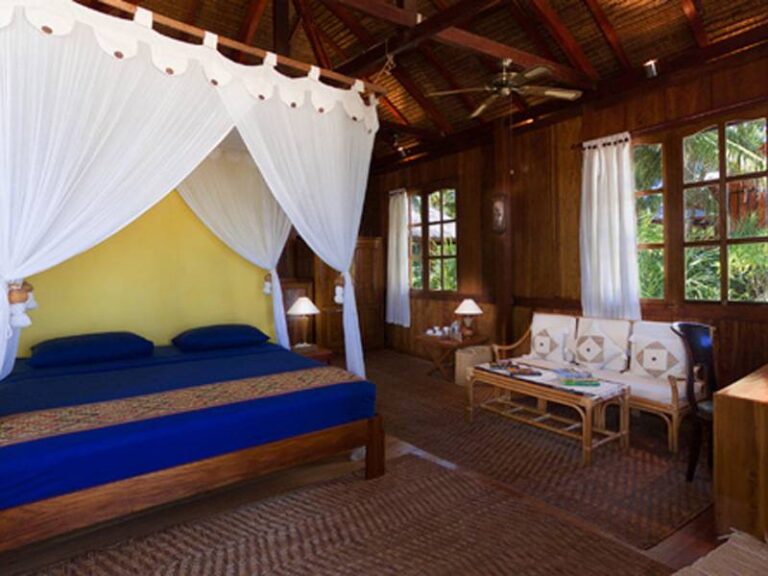
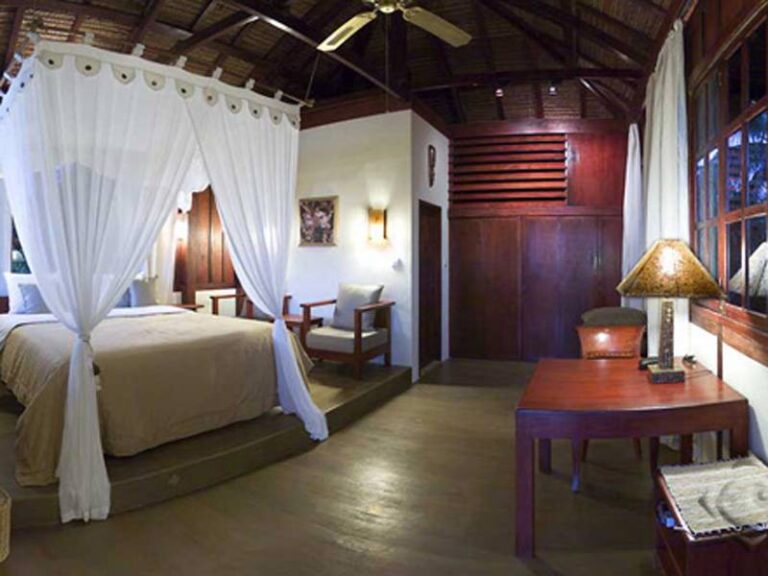
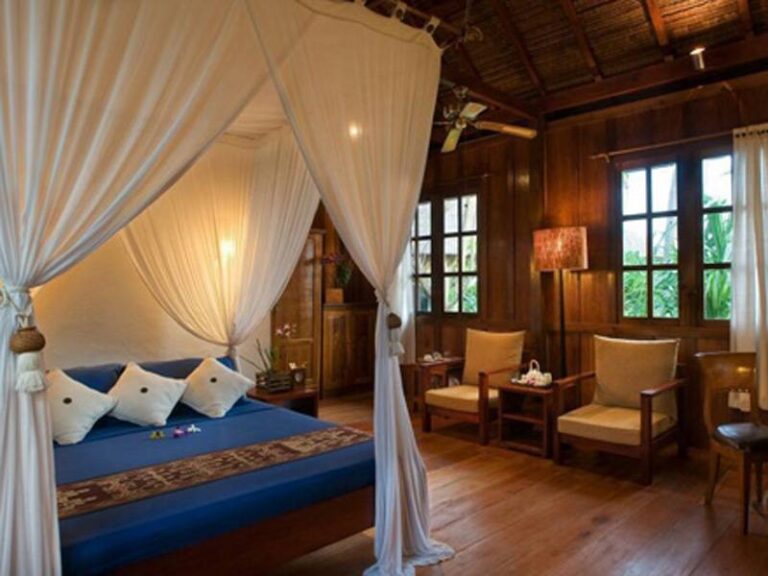
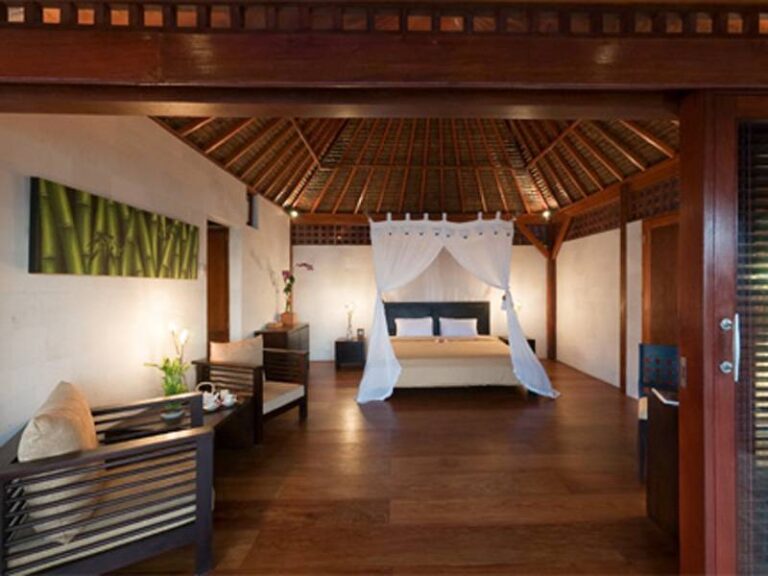
Built on stilts with high ceilings and a spacious veranda with a comfy daybed, overlooking the beach. Tall glass windows have been added, along with blackout curtains. Beautiful local textiles, bamboo blinds, and contemporary wooden wall paneling give a local feel.
Lembeh Resort
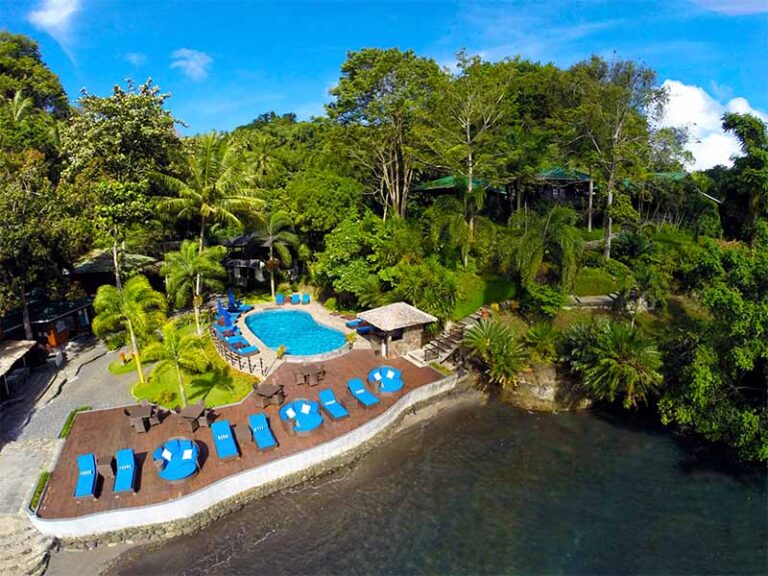
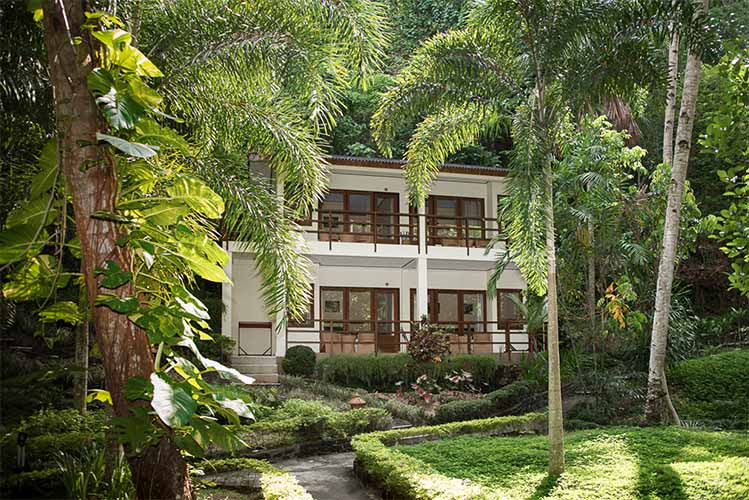
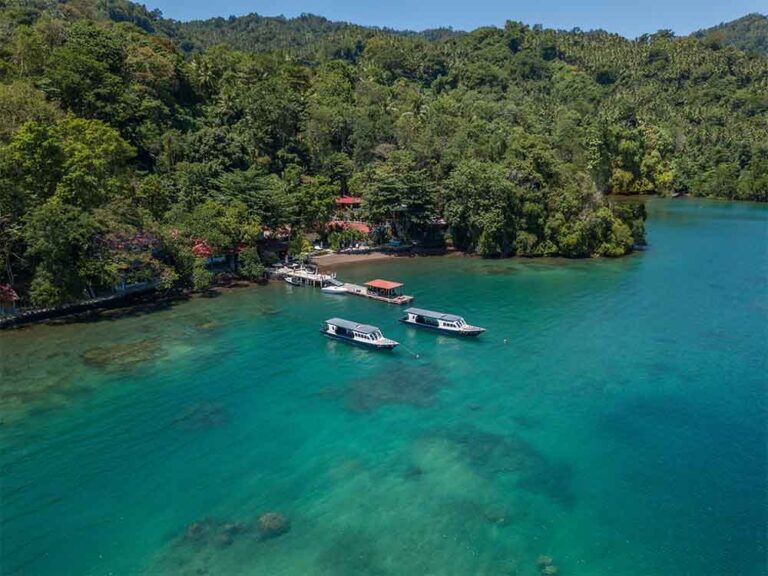
Lembeh Resort, a spectacular boutique style resort, is situated on Lembeh Island and perched above the beautiful Strait. The property is surrounded by lush tropical gardens and blends perfectly into the landscape.
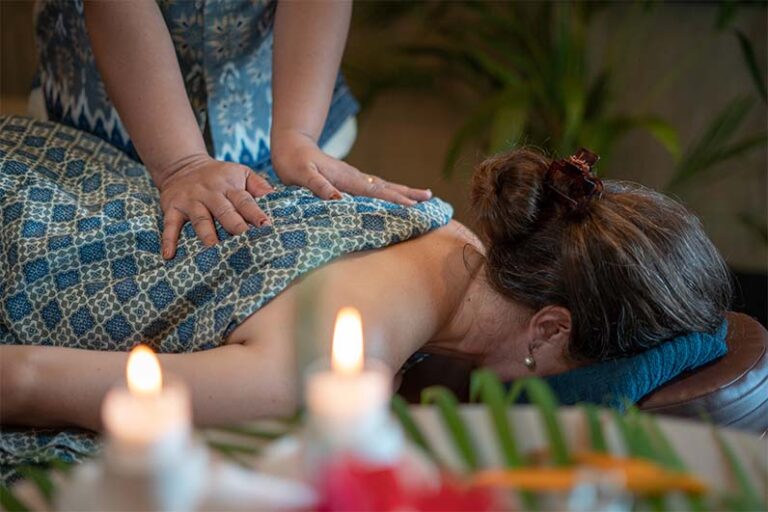
All guest cottages boast spacious verandahs for perfect views of glorious North Sulawesi sunsets and an intimate connection with nature. Modern amenities including air-conditioning, mini bar, WIFI internet and massage ensure your comfort and relaxation.
Murex Bangka Resort
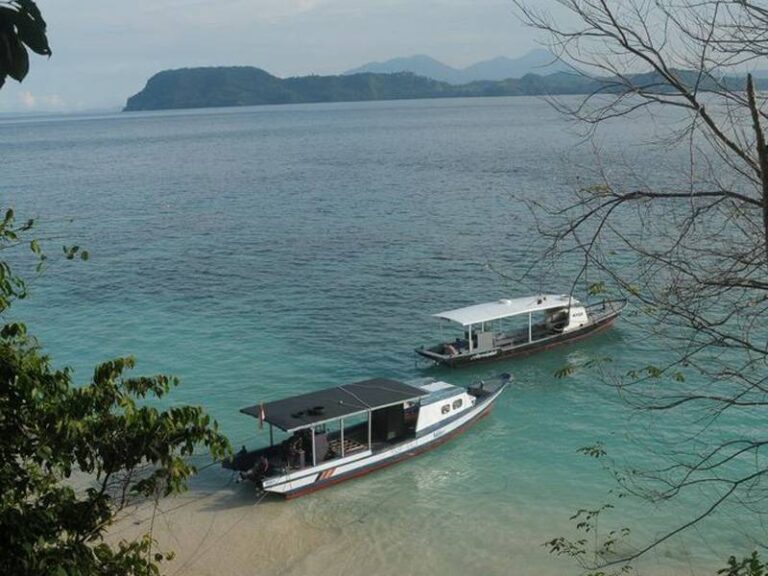
Since 1987, Murex has hosted scuba divers from all over the world and continues today providing quality service within a tranquil, tropical resort setting showing divers the wonders of Bunaken National Park, Bangka Island area, and Lembeh Strait.
Murex Manado Resort
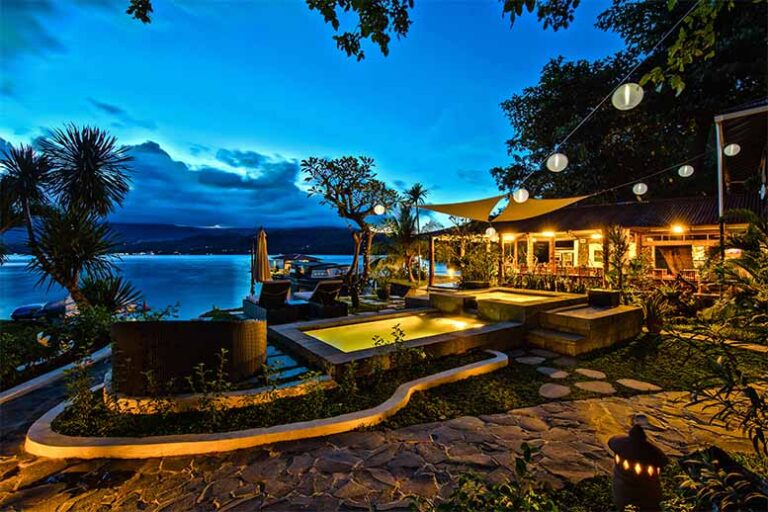
Nestled along the seafront in a peaceful village just outside Manado, Murex Manado Resort is surrounded by lush, mature tropical water gardens, offering a serene and picturesque escape.
From the moment you arrive, the resort’s warm and attentive staff welcome you like family, setting the tone for an unforgettable holiday experience.
With its casual yet timeless charm, Murex Manado Resort feels like a true home away from home in North Sulawesi. Whether you choose to dive into vibrant underwater worlds, explore the surrounding area, or simply unwind and relax with friends and family, every stay is complemented by exceptional service and genuine hospitality.
NAD-Lembeh Resort
NAD-Lembeh Resort is the Lembeh Strait’s premier destination for serious macro divers and underwater photographers. Set in North Sulawesi’s world-famous black sand bays, we offer an experience built around what matters most: exceptional critter diving, expert photo-focused guides, and a relaxed, comfortable stay that delivers outstanding value.
Beyond the iconic muck sites, NAD-Lembeh also offers a diverse range of diving experiences, including vibrant wall dives, technical diving opportunities, and big fish excursions around the island. For something truly unique, our renowned blackwater night dives bring you face-to-face with pelagic larvae and deep-sea creatures rarely seen anywhere on Earth.
Siladen Resort & Spa
Exclusively located in the heart of the world renowned Bunaken National Park, Manado, North Sulawesi, Indonesia just above the Equator on the lush tropical island of Pulau Siladen, they offer you an elegant and relaxing atmosphere and an unforgettable experience.
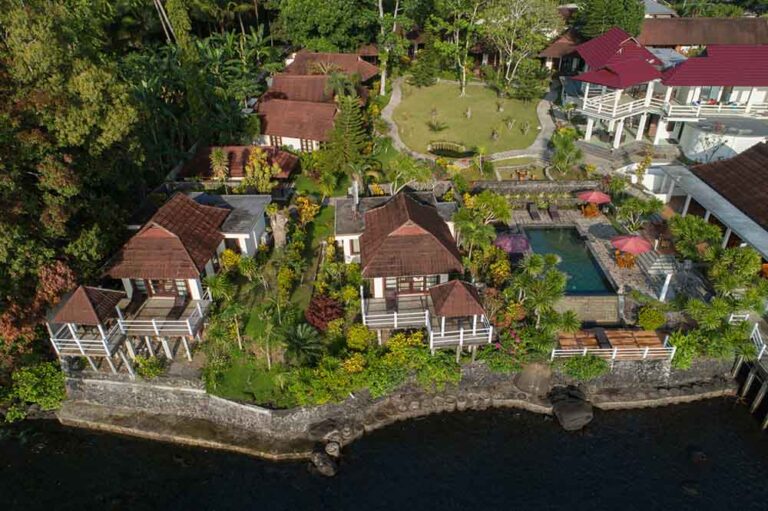
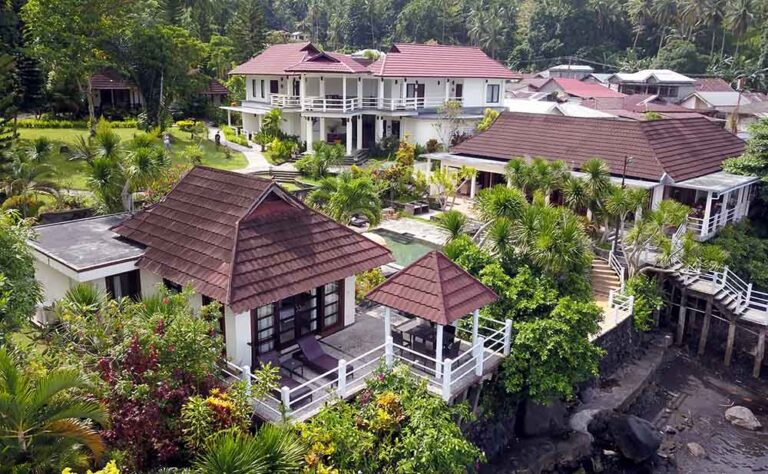
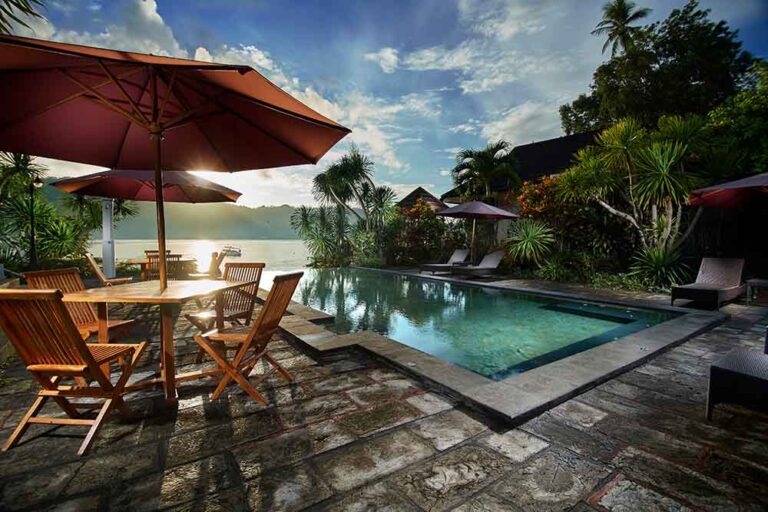
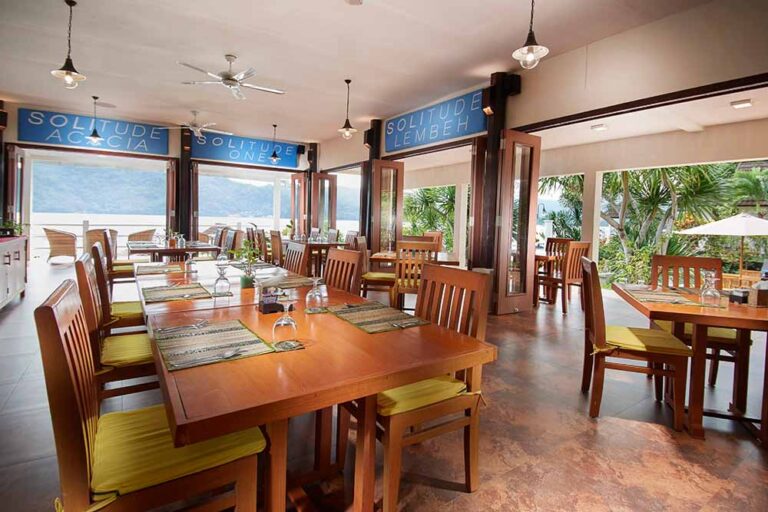
Solitude Lembeh Resort
Located on just over half a hectare in North Sulawesi, Indonesia, Solitude Lembeh Resort is a remarkable retreat shaped by a rich history of cherished friendships and enduring values. This unique scuba diving destination blends diverse cultures with a fascinating past, creating an experience unlike any other.
At its core, the resort is dedicated to creating a peaceful and restorative haven where guests can truly unwind and recharge. The Solitude team is committed to making every stay memorable, ensuring visitors leave feeling refreshed and inspired.
Wakatobi Dive Resort
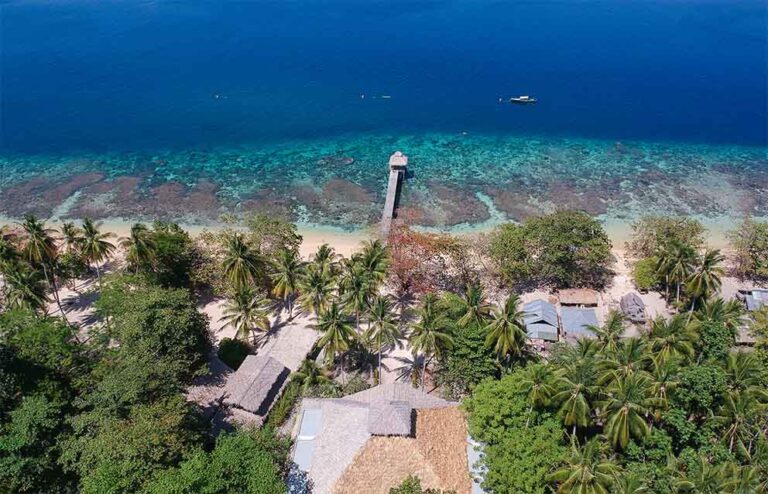
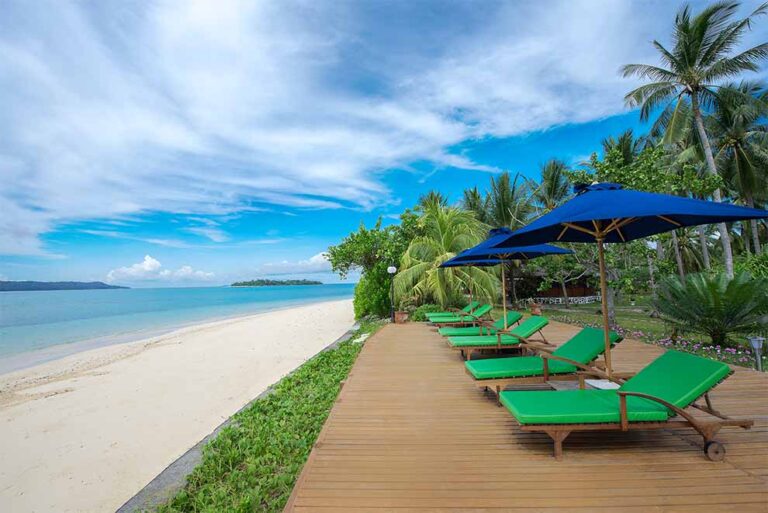
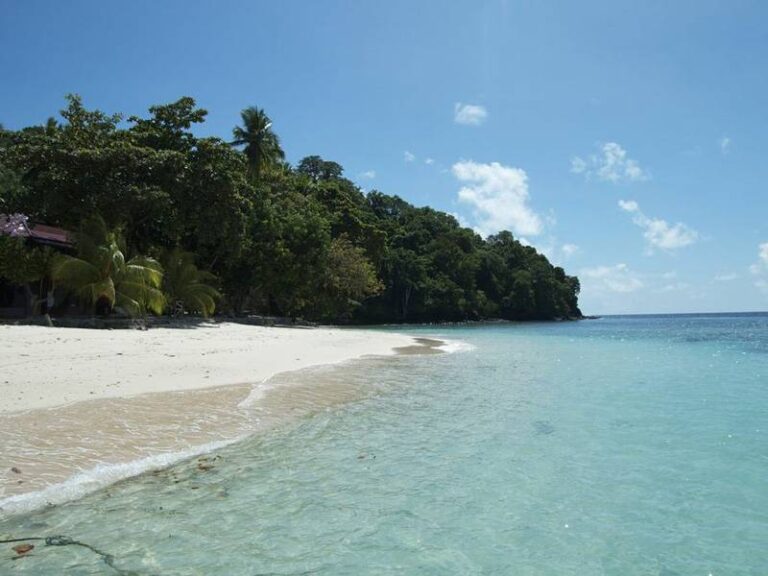
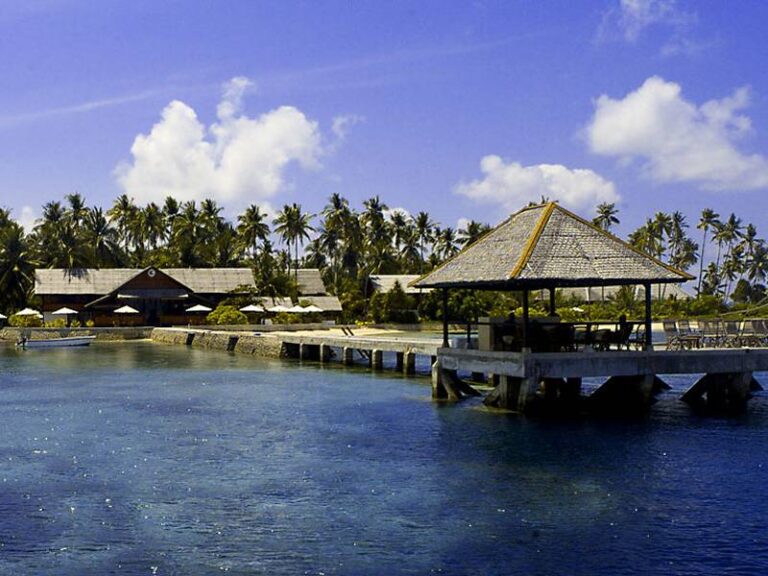
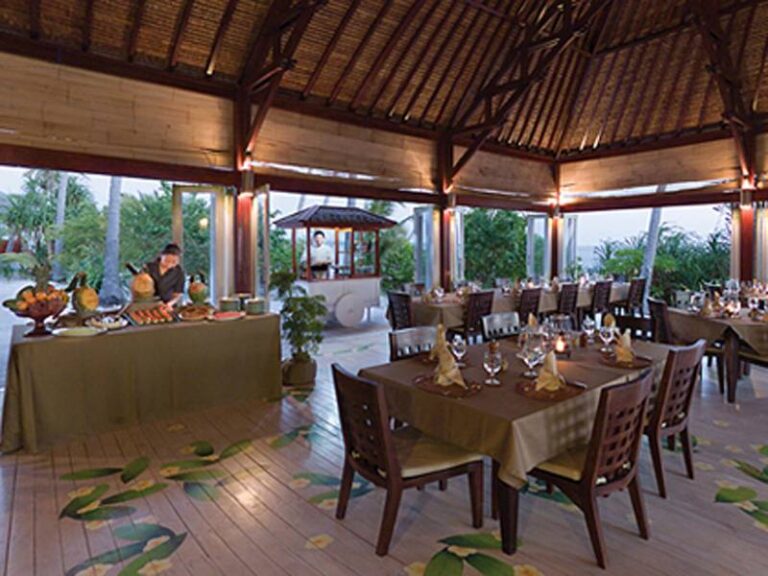
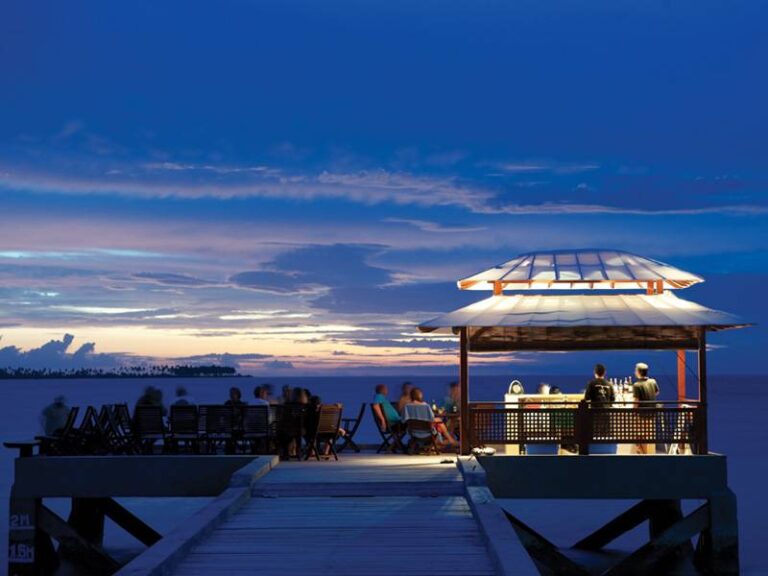
This amazing eco-friendly resort is in the Wakatobi archipelago in remote Southeast Sulawesi, Indonesia where they are the only fully licensed dive tourism operator. The resort itself is situated on a small island locally called Onemobaa. The beautiful resort is built directly at the seaside, with all bungalows spaced along our exquisite beach.
The interior of North Sulawesi has a multitude of ecological adventures. In some ways, it’s similar to Bali but there’s not nearly as many tourists. It’s a great opportunity to deep dive into the local culture.
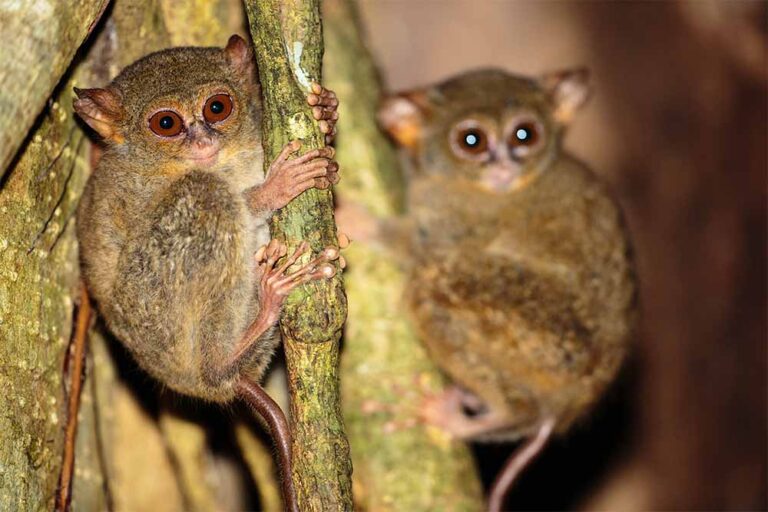
Hike Through Tangkoko Nature Reserve (where you can spot wild tarsier monkeys)
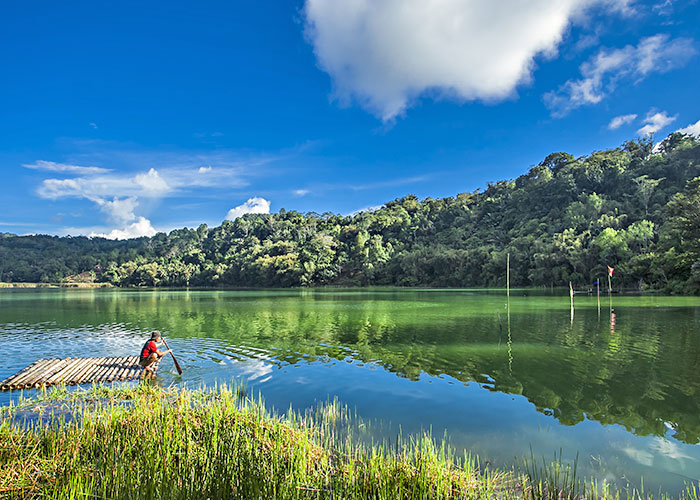
Explore the Highlands (see a volcanic lake and discover the ancient sarcophagi of the early islanders)
Visit the Hot Springs
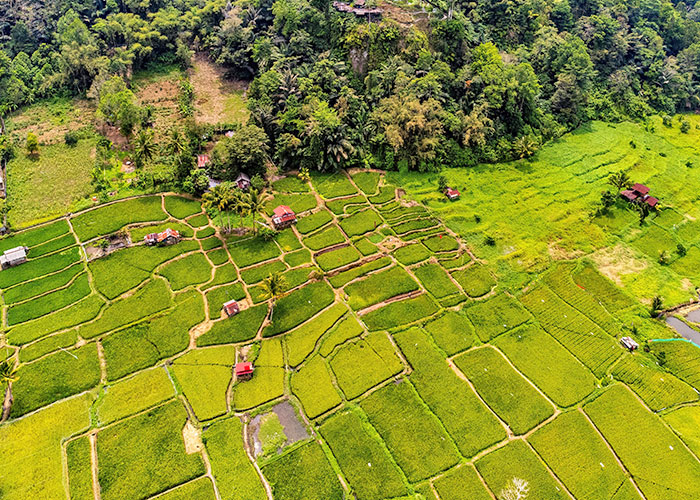
Tour the Rice Fields
Hike to the Crater of Mount Mahawu (an active volcano)